
The Journal
Pyrenees Travel Guide: The Ultimate Peak to Plate Experience
From the glitzy pistes of Andorra to the stone-washed hamlets of Aragon, discover the soul of Europe’s great divide.
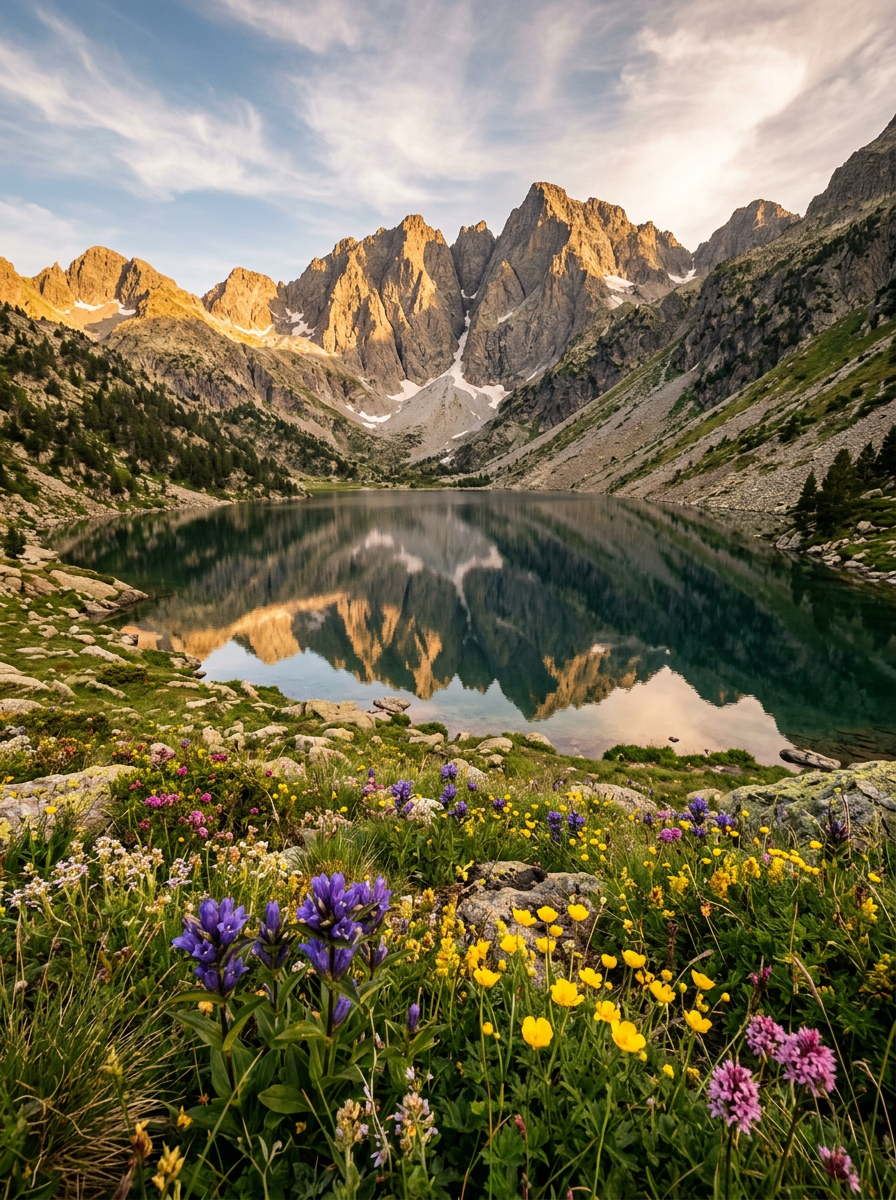
There is a profound, almost architectural stillness that settles over the Pyrenees once the sun dips below the granite jaggedness of the Maladeta massif. Unlike the manicured, high-gloss perfection of the Swiss Alps, there is something infinitely more raw and elemental about the 430-kilometre spine that separates the Iberian Peninsula from the rest of Europe. Here, the air smells of woodsmoke and wild thyme, and the culture is a heady, borderless blend of Occitan, Catalan, and Basque influences. Whether you are carving through the pristine powder of the Val d’Aran or navigating the limestone canyons of Aragon, the Pyrenees offer a sophisticated alternative to the overcrowded peaks of the east. This is a landscape where luxury is defined not just by thread counts, but by the silence of a high-altitude valley and the depth of a vintage Rioja shared in a centuries-old stone farmhouse.
The Geography of Greatness: Mapping the Range

To understand the Pyrenees is to embrace a tri-national identity. The range stretches from the windswept Atlantic cliffs of the Basque Country to the azure Mediterranean coves of Cap de Creus. For the discerning traveller, it is helpful to divide the region into three distinct zones: the French Northern Slopes, the Spanish Southern Slopes, and the high-altitude principality of Andorra.
The French side, encompassing the Hautes-Pyrénées and Pyrénées-Atlantiques, is defined by dramatic cirques (natural amphitheatres) and historic spa towns like Cauterets and Luchon. The Spanish side, particularly the regions of Aragon and Catalonia, feels more rugged and expansive, home to the highest peaks like Aneto (3,404m). Then there is Andorra, a sovereign microstate that has transformed itself from a duty-free haven into a world-class skiing destination. While many casual holidaymakers might browse Jet2holidays or loveholidays for a quick beach fix, the true connoisseur looks upward to these peaks, where the seasons dictate a different kind of rhythm.
Winter in the Val d’Aran: Spain’s Answer to Courchevel
If you seek the pinnacle of Pyrenean luxury, look no further than the Val d’Aran. This Atlantic-facing valley in Catalonia is the only Spanish valley on the northern side of the range, creating a microclimate that ensures exceptional snow quality. At its heart lies Baqueira Beret, a resort frequented by the Spanish Royal Family and the European elite.
Baqueira is not merely a ski resort; it is a lifestyle. With over 160 kilometres of groomed pistes and some of the finest lift-accessed backcountry in Europe, it rivals the big hitters of the Espace Killy. For a stay that matches the prestige of the slopes, the Tanau Chalet or the Hotel Val de Neu G.L. offers five-star refinement. The latter, a member of the Leading Hotels of the World, provides a seamless ski-in/ski-out experience with views over the Ruda Valley. After a day on the mountain, skip the generic après-ski bars and head instead to the village of Arties. Here, you can enjoy pinchos and gin-tonics at Moët Winter Lounge, where the vibe is decidedly more refined than the rowdy beer halls found on On the Beach style packages.
The French Connection: Cirque de Gavarnie and Beyond
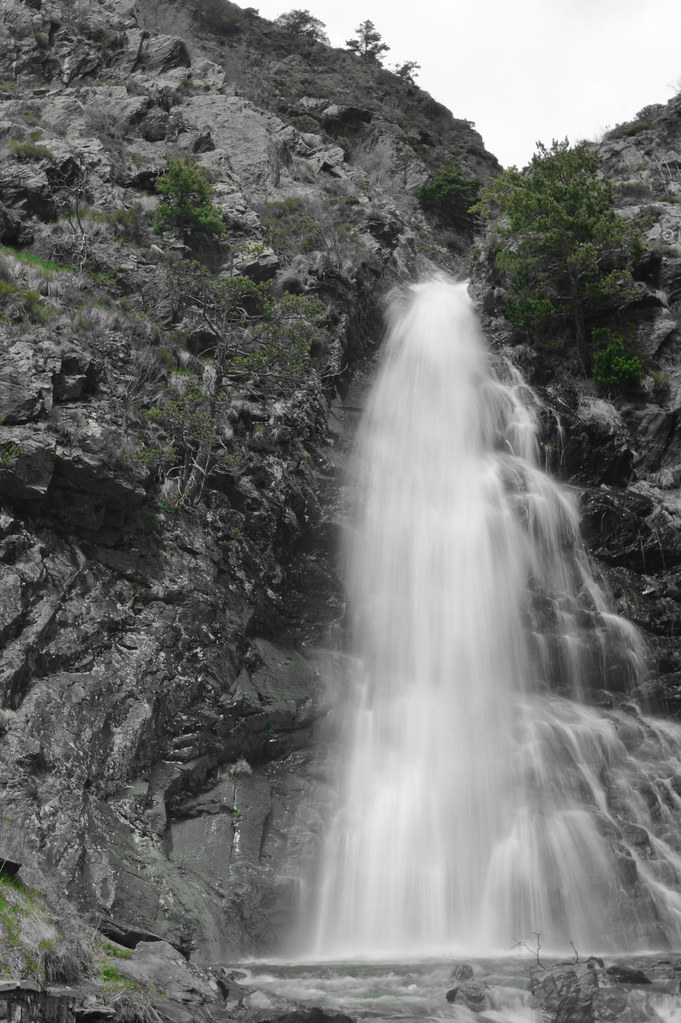
Across the border, the French Pyrenees offer a sense of romantic scale. The UNESCO World Heritage site of the Cirque de Gavarnie is, quite simply, one of Europe’s greatest natural wonders. A colossal limestone wall rising 1,500 metres from the valley floor, it is adorned by the Gavarnie Falls—one of the highest waterfalls in Europe.
In the winter, these falls freeze into majestic pillars of ice, attracting world-class ice climbers. In the summer, the valley opens into a lush hiking paradise. For those seeking accommodation with a sense of history, the Hôtel du Cirque et de la Cascade offers a front-row seat to the mountain’s majesty. While you might see the region listed on sites like Expedia or Booking.com, they rarely capture the nuance of staying in these remote outposts. We recommend a private guide to navigate the "Brèche de Roland," a legendary natural gap in the mountain wall that, according to myth, was cut by the sword of the paladin Roland.
Andorra: The High-Altitude Heart
Long dismissed as a destination for budget-conscious shoppers, Andorra has undergone a remarkable metamorphosis. The Grandvalira ski domain is now the largest in the Pyrenees, offering 210 kilometres of connected slopes. The resort of Soldeu, in particular, has positioned itself as the luxury hub of the principality.
The Sport Hotel Hermitage & Spa is the crown jewel here. This five-star sanctuary features a 5,000-square-metre spa across five floors, where you can soak in outdoor hot tubs as snow falls around you. The dining is equally impressive, with the Michelin-starred Ibaya showcasing the culinary brilliance of chef Francis Paniego. While TUI or Skyscanner might help you find a flight to nearby Toulouse or Barcelona, they won't arrange the private helicopter transfer that brings you directly to the Hermitage’s helipad, bypassing the winding mountain roads.
Hiking the Ordesa Valley: A Limestone Masterpiece
When the snow melts, the Spanish Pyrenees reveal a different kind of drama. The Ordesa y Monte Perdido National Park in Aragon is often described as Europe’s Grand Canyon. Towering limestone walls, turquoise river pools, and dense forests of beech and silver fir create a landscape of startling beauty.
The "Faja de las Flores" is perhaps the most famous high-level balcony walk in the range, a narrow ledge that traverses the cliff face thousands of feet above the valley floor. It is not for the faint-hearted, but for those with a head for heights, the views are unparalleled. Stay at the Barceló Monasterio de Boltaña, a beautifully restored 17th-century monastery located at the gateway to the park. The spa, built into the old stone arches, is the perfect place to soothe tired muscles after a day on the trails.
Gastronomy: From Mountain Huts to Michelin Stars
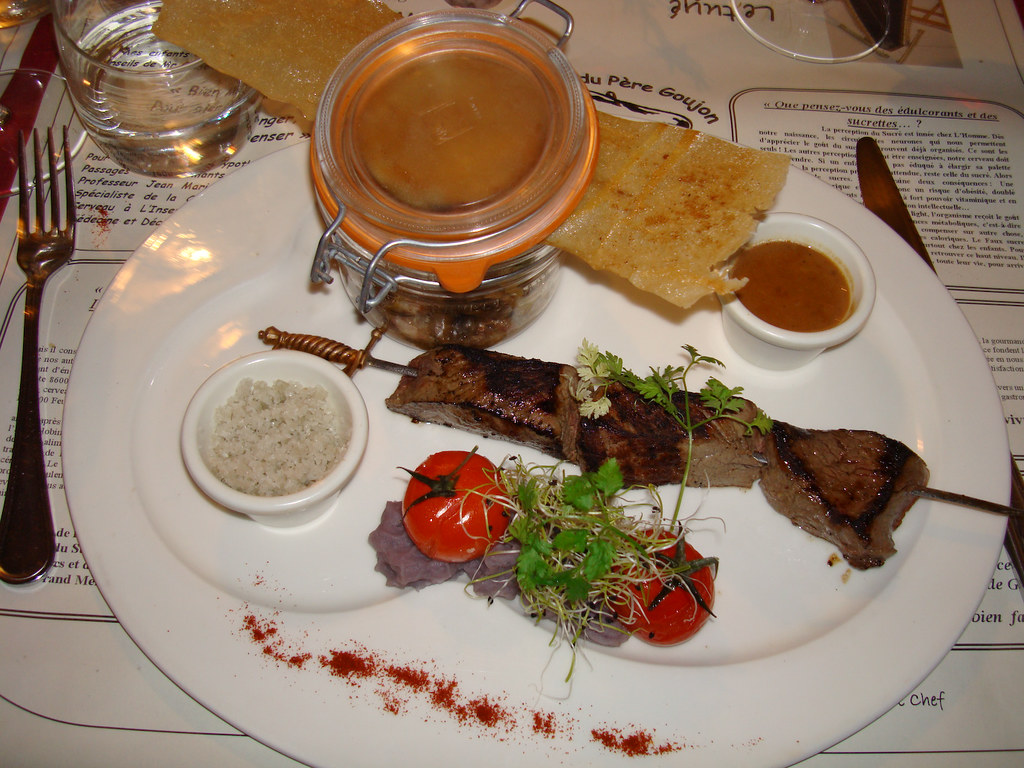
The Pyrenees are a land of plenty, where the harsh mountain environment has historically necessitated a rich, calorie-dense cuisine that has since evolved into a sophisticated culinary scene. In the French Pyrenees, the focus is on garbure—a thick ham and cabbage stew—and the delicate Gateau à la Broche, a cake cooked over an open flame on a rotating spit.
In the Spanish Pyrenees, particularly in the Basque and Aragonese sections, the food is legendary. Visit the village of Ezcaray (technically in the Sierra de la Demanda but an essential gateway for Pyrenean travellers) to dine at El Portal de Echaurren, which boasts two Michelin stars. Here, the traditional flavours of the mountains are reimagined with avant-garde techniques. For a more rustic experience, the bordas (traditional stone barns) of Andorra serve up huge platters of grilled meats, snails, and local trinxat (cabbage and potato mash).
The Thermal Tradition: A Legacy of Wellness
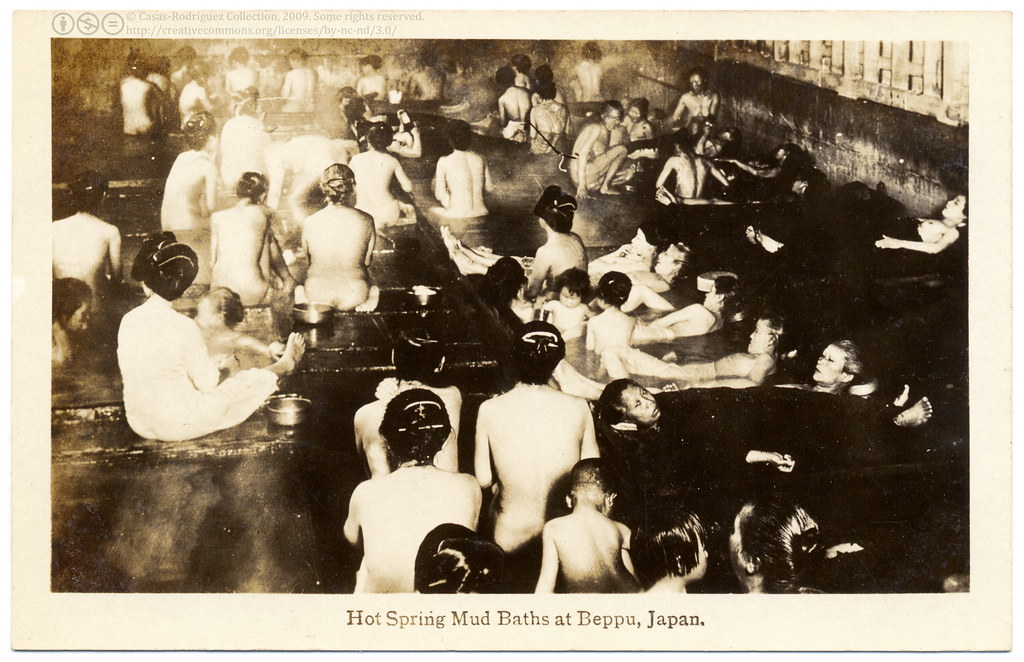
The Pyrenees have been a destination for wellness since the Roman era. The range is shot through with natural hot springs, and in the 19th century, towns like Cauterets, Bagnères-de-Bigorre, and Ax-les-Thermes became the playgrounds of the European aristocracy. Napoleon III and Empress Eugénie were frequent visitors, leaving behind a legacy of grand Belle Époque architecture.
Today, you can still experience these healing waters. Les Bains de Llo in the French Cerdagne offer outdoor thermal pools with views of the surrounding peaks. In Spain, the Balneario de Panticosa is a high-altitude spa resort located at 1,636 metres. Surrounded by 3,000-metre peaks, the historic hotel and modern spa buildings offer a surreal, secluded atmosphere that feels worlds away from the commercialism of lastminute.com.
The Hidden Gem: The Cerdanya Valley

Straddling both France and Spain, the Cerdanya Valley is a high-altitude plateau that enjoys over 300 days of sunshine a year. It is a place of wide-open spaces and gentle transitions, far removed from the sharp peaks of the Central Pyrenees.
The Spanish town of Puigcerdà is the focal point here, with its beautiful lake and modernist villas. For an ultra-exclusive stay, we recommend the Villa Paulita, a charming boutique hotel overlooking the lake. The Cerdanya is also home to some of the best golf courses in the mountains, including the Real Club de Golf de Cerdaña, which offers a cooling retreat from the summer heat of the lowlands.
The Soul of the Basque Pyrenees
As the range rolls toward the Atlantic, the landscape changes. The granite peaks give way to rolling green hills and misty forests of ancient oak. This is the Pays Basque, a land of deep mystery and prehistoric caves. The village of Sare, listed as one of the most beautiful in France, is the perfect base for exploring this region.
Take the Petit Train de la Rhune, a vintage rack railway that climbs to the summit of La Rhune (905m), offering 360-degree views that stretch from the Bay of Biscay to the high Pyrenean peaks. The local culture here is fierce and proud, best experienced in the cider houses of the area or through a stay at Hôtel Arcé in Saint-Étienne-de-Baïgorry. This family-run riverside inn epitomizes French mountain elegance, far removed from the standard offerings of Booking.com.
Adventure Beyond the Piste: Canyoning and Heli-Skiing
For the restless spirit, the Pyrenees are a playground for high-octane adventure. The Sierra de Guara in Spain is widely considered the canyoning capital of Europe. Over millions of years, the river Mascún has carved out a labyrinth of turquoise pools, narrow slots, and towering arches. Spending a day swimming, jumping, and rappelling through these canyons is an essential Pyrenean experience.
For winter adrenaline, the Val d’Aran is one of the few places in the Pyrenees where heli-skiing is permitted. A private helicopter can drop you on remote peaks like the Tuc de la Llança, where you can descend thousands of metres of untouched powder through the Aigüestortes i Estany de Sant Maurici National Park. This is a bespoke service that you won't find on loveholidays; it requires local knowledge and expert logistics.
The Architecture of the Mountains: Romanesque Wonders
The Pyrenees are home to a remarkable concentration of Romanesque architecture. In the 11th and 12th centuries, the mountains were a crossroads for pilgrims on the Way of Saint James. This resulted in the construction of hundreds of small, beautifully proportioned stone churches.
The Vall de Boí in the Spanish Pyrenees is home to a collection of nine Romanesque churches, a UNESCO World Heritage site. The slender bell towers of Sant Climent de Taüll standing against the backdrop of the mountains is one of the most iconic images of the region. Exploring these quiet, sacred spaces offers a spiritual counterpoint to the physical exertion of the mountains.
Logistics: Arriving in Style
Reaching the Pyrenees requires careful planning to ensure the journey is as pleasurable as the destination. For the western reaches, Biarritz (BIQ) or San Sebastián (EAS) are the primary gateways. For the central and eastern Pyrenees, Toulouse (TLS), Lourdes (LDE), and Barcelona (BCN) are the best options.
Standard car hire through Skyscanner or Expedia is an option, but for a true mountain experience, we recommend a private 4x4 transfer or a high-performance SUV rental. Navigating the mountain passes, such as the Col du Tourmalet—famed for its role in the Tour de France—requires a vehicle capable of handling steep gradients and tight hairpins with ease.
Expected costs for a luxury week-long retreat in the Pyrenees start from approximately £2,500 per person, excluding flights, but including five-star accommodation, private guiding, and fine dining. During the peak ski season in Baqueira or Soldeu, prices can rise significantly, reflecting the exclusivity of these enclaves.
Seasonal Rhythms: When to Visit
The Pyrenees are a year-round destination, each season painting the landscape in different hues.
- Winter (December to March): The season for snow. Choose Baqueira for glamour, Soldeu for family-friendly luxury, and Cauterets for historic charm.
- Spring (April to June): The "green season." The meadows are carpeted in wildflowers, and the rivers are swollen with snowmelt—perfect for whitewater rafting.
- Summer (July to August): The time for high-altitude trekking. While the valleys can be warm, the mountain air remains crisp and cool.
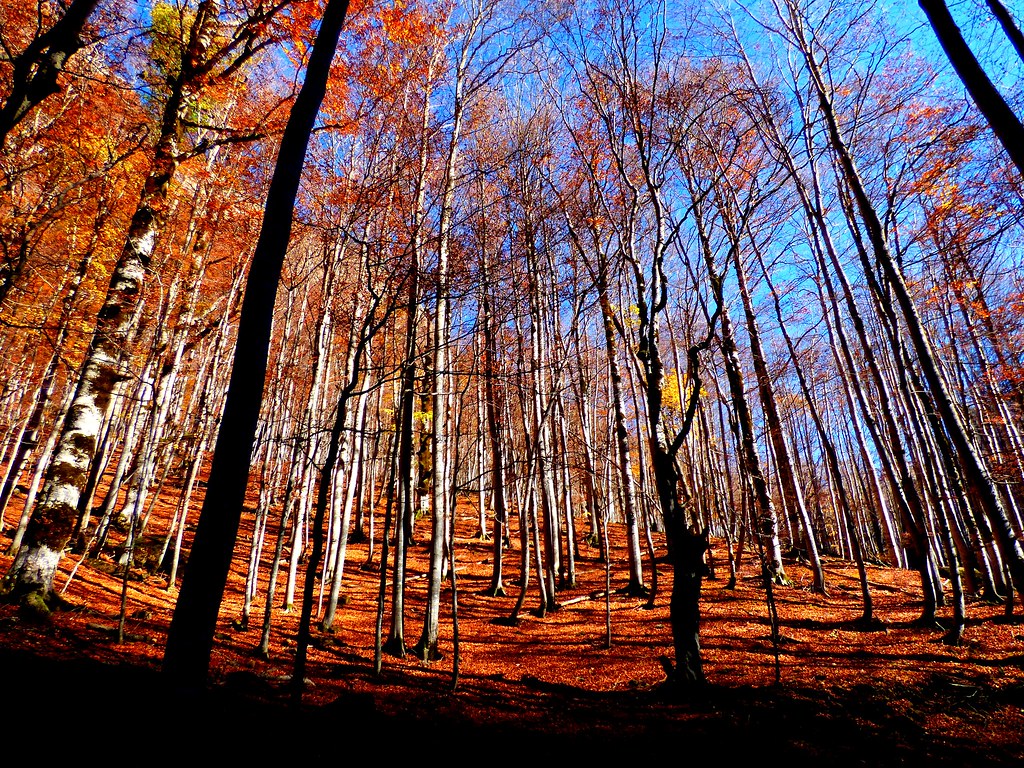
- Autumn (September to November): A photographer’s dream. The beech forests turn fire-red and gold, and the crowds of summer hikers dissipate, leaving the trails in a state of blissful solitude.
Your Bespoke Pyrenean Odyssey
The Pyrenees are more than just a mountain range; they are a sanctuary from the frantic pace of modern life. It is a place where you can find yourselves lost in the winding streets of a medieval village one day and standing atop a wind-whipped peak the next. At The Travel Co., we specialize in curating journeys that go beyond the brochure. Whether it is securing the best table at a hidden mountain borda, organizing a private sunrise hot air balloon flight over the Cerdanya, or mapping out a multi-day trek with stays in luxury mountain refuges, we possess the local connections and expertise to make it happen.
If you are ready to trade the ordinary for the extraordinary, we invite you to contact one of our senior travel consultants today. Let us craft a tailor-made Pyrenean itinerary that reflects your tastes and exceeds your expectations. From the first flakes of snow in the Val d'Aran to the midsummer glow of the Ordesa canyons, your mountain adventure begins here. Contact The Travel Co. for a personalised quote and begin your journey to the peaks.
Inspired?
Plan a trip like this
Our specialists craft every itinerary from scratch — ATOL & ABTA protected, with 24/7 in-trip support.
Enquire Now