
The Journal
Dolomites Travel Guide: Italy's Most Spectacular Mountains
A masterclass in Alpine luxury, jagged limestone peaks, and Ladin soul.
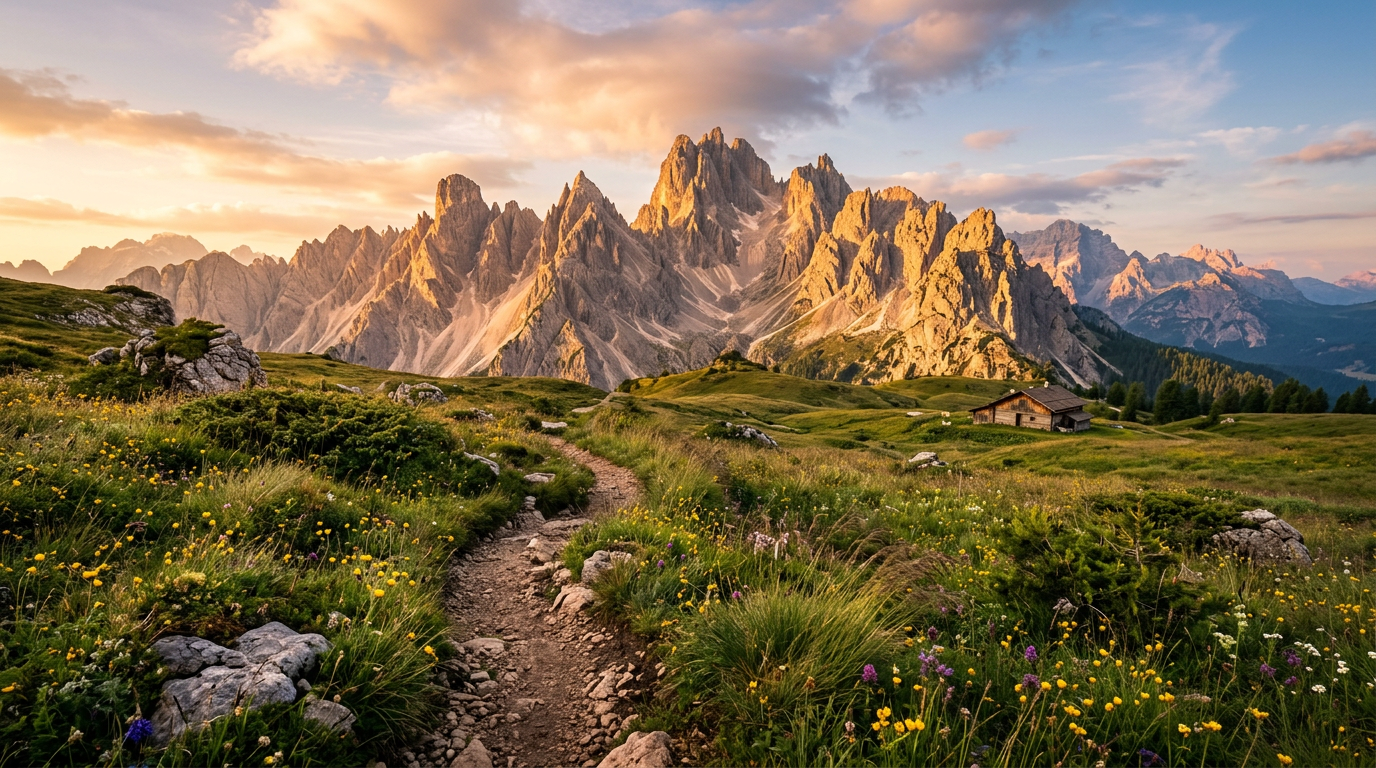
There is a specific moment in the Italian Dolomites, usually just as the sun begins its languid descent behind the Catinaccio massif, when the rock faces undergo a spectral transformation. The pale triassic limestone, which gives these "Pale Mountains" their name, ignites in a symphony of fiery orange, deep violet, and rose-pink. The locals call it Enrosadira. It is a phenomenon that has inspired poets, climbers, and luxury travellers for centuries, marking this UNESCO World Heritage site as arguably the most visually arresting mountain range on the planet. Unlike the stark, glacial austerity of the French or Swiss Alps, the Dolomites offer a softer, more epicurean version of mountain life—one where rugged verticality meets the refined sophistication of Italian and Austrian cultures.
The Unique Geography of South Tyrol and Belluno
To understand the Dolomites is to understand a land of dual identities. Geographically, the range straddles the provinces of South Tyrol (Südtirol), Trentino, and Belluno. For much of its history, this was Austro-Hungarian territory, and that heritage remains palpable today. You will hear German spoken over a glass of Lagrein in a Bolzano square, see Gothic steeples overlooking Alpine meadows, and find knödel (bread dumplings) sharing menu space with delicate casunziei pasta.
The range is defined by its fragmented nature; rather than a continuous chain, the Dolomites are a series of distinct massifs separated by deep, lush valleys. This makes travel between regions an adventure in itself, involving winding mountain passes like the Pordoi or the Gardena Pass, each offering vistas that make even the most seasoned traveller reach for their camera. Whether you are arriving for the winter ski season or the high-altitude wildflowers of July, the topography dictates the pace of life: slow, deliberate, and deeply connected to the seasons.
Val Gardena: The Heart of Ladin Culture
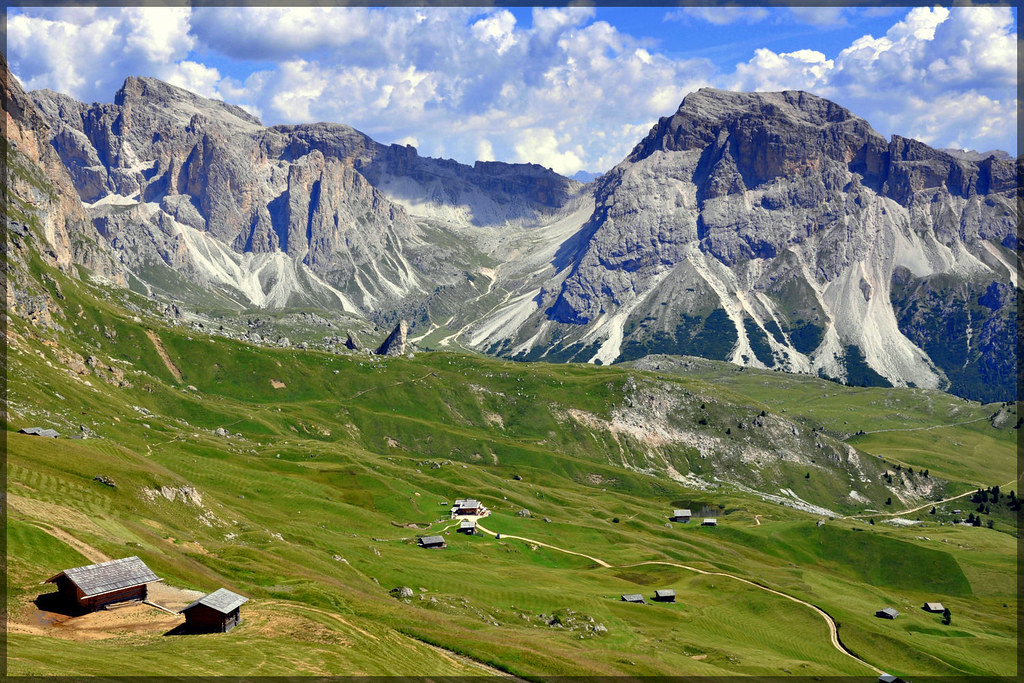
Val Gardena (Gröden) is perhaps the most famous of the Dolomite valleys, home to the world-class resorts of Ortisei, Santa Cristina, and Selva. This is one of the few places where the ancient Ladin language is still spoken, a Rhaeto-Romance tongue that predates the Roman Empire. Ortisei, the main town, is an Alpine dreamscape of wood-carved facades and pedestrianised streets.
For those seeking the pinnacle of luxury, Adler Spa Resort Dolomiti in Ortisei is a cornerstone of the region. Set within a private 9,000-square-metre park, it offers an expansive water world that rivals any spa in Europe. Staying here typically starts around £450 per night, providing a seamless blend of traditional Tyrolean hospitality and modern wellness. While you might find price comparisons on Booking.com or Expedia, the bespoke service and room-specific views found through a specialised agency offer a far more curated experience. Beyond the hotels, Val Gardena serves as a gateway to the Seceda ridgeline—a dramatic cliff edge that looks like a wave of stone frozen mid-break.
Cortina d’Ampezzo: The Queen of the Dolomites
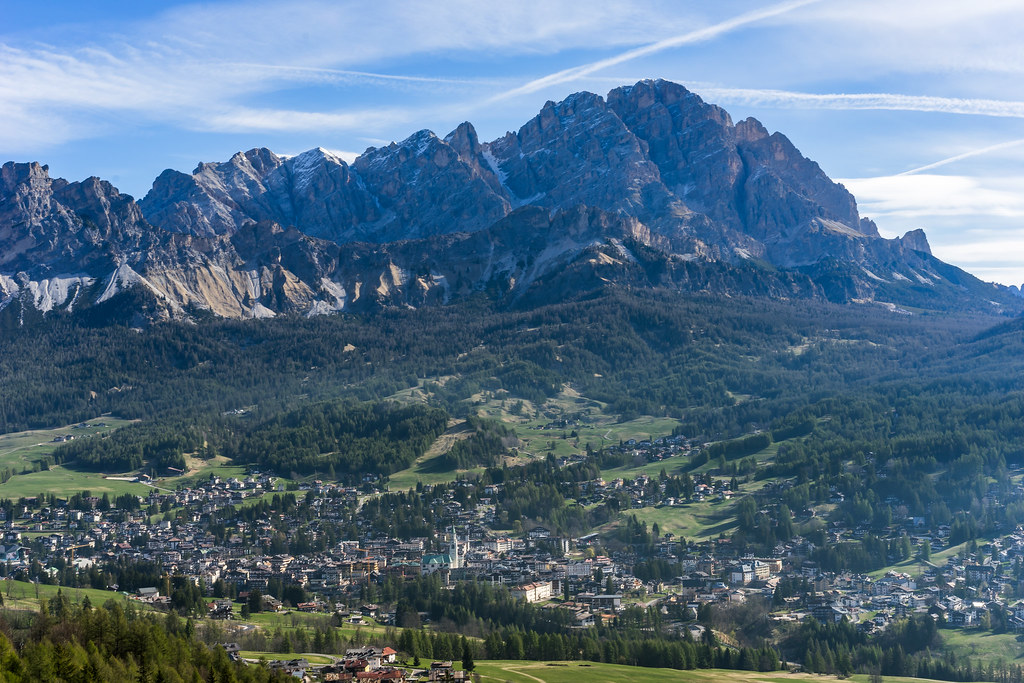
If Val Gardena is the cultural heart, Cortina d’Ampezzo is the glamorous soul. Known as the "Queen of the Dolomites," Cortina has long been the playground for the Italian elite, famously hosting the 1956 Winter Olympics and preparing for their return in 2026. The town is centered around the Corso Italia, a pedestrianised strip where fur-coated strollers hop between Gucci boutiques and historic enoteche.
Accommodation in Cortina is defined by grand dames like the Cristallo, a Luxury Collection Resort & Spa, which exudes old-world glamour. For something more contemporary, the Faloria Mountain Spa Resort offers sleek, minimalist design with panoramic views of the Monte Cristallo massif. Prices in Cortina can be steep during the peak "Settimana Bianca" (White Week) in February, often exceeding £600 per night for premium suites, but the atmosphere—a cocktail of high fashion and high altitude—is unmatched. It is the kind of place where you come for the skiing but stay for the long, sun-drenched lunches at Rifugio Averau.
The Sella Ronda: A Cyclist and Skier’s Pilgrimage
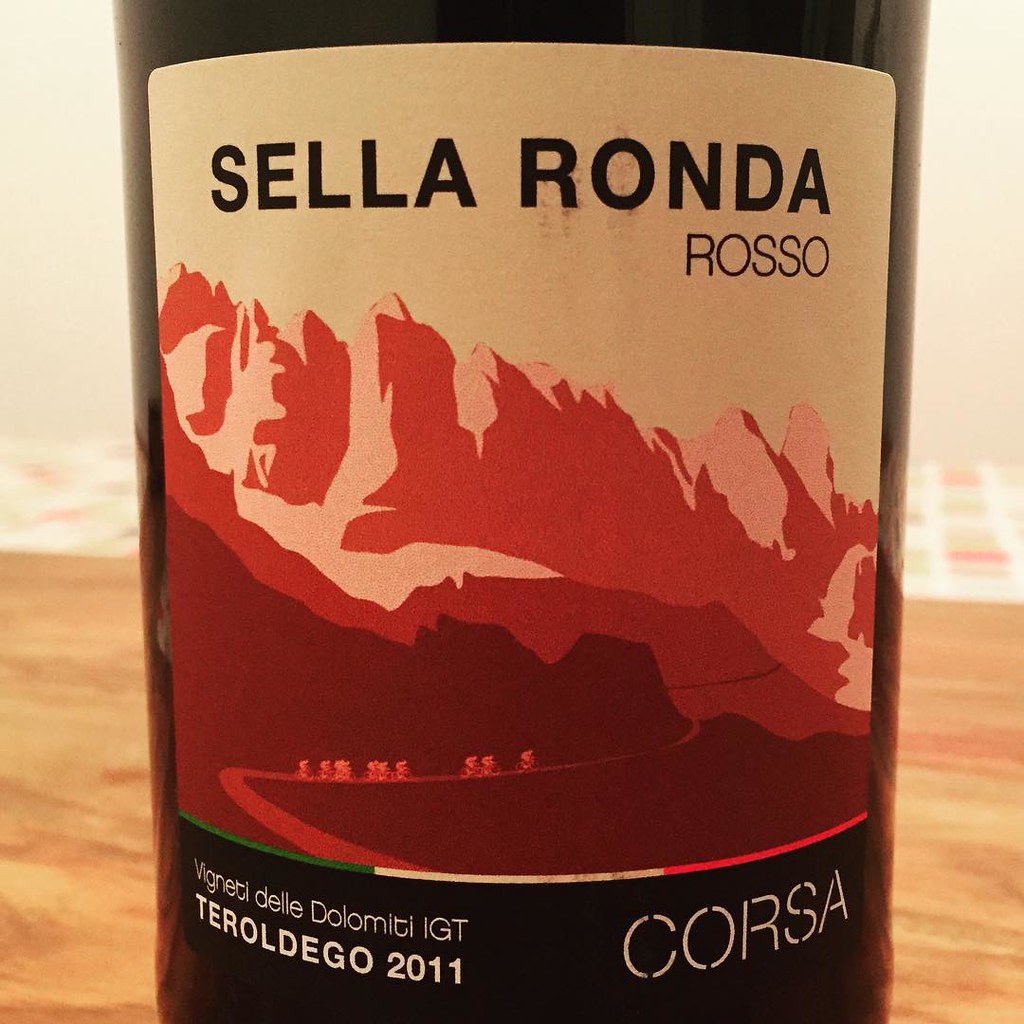
For the active traveller, the Sella Ronda is the ultimate bucket-list item. This circular route circumnavigates the massive Sella Group, a fortress-like plateau of rock. In winter, the Sella Ronda is one of the world's most impressive ski circuits, linking four valleys (Val Gardena, Val Badia, Arabba, and Val di Fassa) with over 40 kilometres of interconnected runs. It is entirely possible to ski the whole loop in one day without ever taking your skis off, provided you watch the clock for the final lift connections.
In the summer, the circuit belongs to the road cyclists. The "Maratona dles Dolomites" sees thousands of riders tackle the legendary passes. If you are planning a trip around these events, avoid the mass-market packages found on TUI or Jet2holidays; those often land you in peripheral hotels. True luxury is staying at the Hotel La Perla in Corvara. Owned by the Costa family, this hotel is a shrine to Alpine heritage, boasting a Michelin-starred restaurant, La Stua de Michil, and a wine cellar that holds one of the world's most significant collections of Sassicaia.
Alta Badia: The Culinary Peak
Alta Badia has carved out a niche as the gastronomic capital of the Alps. This valley boasts one of the highest concentrations of Michelin stars per square kilometre in the world. The "Slope Food" initiative during the winter months even brings gourmet appetizers to the mountain huts (rifugi), allowing skiers to pair a world-class dish with a glass of fermented sparkling wine from Trentino.
The jewel in Alta Badia’s crown is Rosa Alpina, now part of the Aman partner network. Located in the charming village of San Cassiano, it is a masterclass in understated elegance. The hotel’s three-Michelin-starred restaurant, St. Hubertus, led by Chef Norbert Niederkofler, pioneered the "Cook the Mountain" philosophy, using only ingredients sourced from the surrounding peaks and valleys. A stay here is not merely a holiday; it is a deep dive into the terroir of the Dolomites. Expect to pay upwards of £800 per night for this level of exclusivity.
Alpe di Siusi: Europe’s Largest High-Altitude Meadow
South of Val Gardena lies the Alpe di Siusi (Seiser Alm), a vast rolling plateau of emerald grass and wildflowers, framed by the jagged peaks of the Sassolungo and Sciliar. At 56 square kilometres, it is the largest high-altitude meadow in Europe and offers a remarkably different landscape from the vertical walls found elsewhere.
This is the land of "slow travel." In summer, the meadow is crisscrossed with easy hiking trails and electric mountain bike paths. In winter, it becomes a haven for cross-country skiers and those seeking a quieter downhill experience. The Alpina Dolomites is the resort of choice here—a striking glass and wood structure that blends into the hillside. Its location is "ski-in, ski-out," a rarity in a region where many hotels require a short shuttle to the gondolas. While you might browse lastminute.com for quick escapes, the Alpe di Siusi deserves a dedicated, multi-day stay to truly appreciate its silence.
The Iconic Tre Cime di Lavaredo
No guide to the Dolomites would be complete without mentioning the Tre Cime di Lavaredo (Drei Zinnen). These three distinct, obelisk-like peaks are the symbols of the region. The hike around the Tre Cime is one of the most popular in Italy, and for good reason—the views of the North Faces are staggering.
To experience the Tre Cime without the midday crowds, we recommend staying in the nearby Sesto (Sexten) valley. The Bad Moos - Dolomites Spa Resort offers a rustic-luxe base right at the entrance to the Val Fiscalina, often cited as one of the most beautiful valleys in the world. From here, you can take a helicopter tour over the Tre Cime, a service we can arrange to provide a perspective that no hiking trail can match. The sheer scale of the limestone walls from the air is a humbling reminder of the geological forces that shaped this region 200 million years ago.
Lago di Braies and the Lakes of the Dolomites
In recent years, Lago di Braies (Pragser Wildsee) has become a global icon, its turquoise waters and wooden boathouse appearing on countless postcards. While it is undeniably beautiful, its popularity means it requires a strategic approach. Arriving at dawn is essential to capture the reflection of the Croda del Becco in the still water before the day-trippers arrive.
For a more serene lakeside experience, head to Lago di Carezza (Karersee). Known as the "Lake of the Rainbow," its deep green waters reflect the Latemar mountain range. For those who prefer their water experiences closer to home, the Forestis Dolomites near Bressanone offers a roof-top spa with views that compete with any natural lake. This hotel is a sanctuary of Plose wood, stone, and glass, designed to foster a connection with the surrounding forest. It is a favourite for those who might otherwise look at Skyscanner for quick Alpine city breaks but want something significantly more secluded and refined.
Wellness and the "Alpine Spa" Phenomenon
The Dolomites have redefined the concept of wellness. This isn't just about massages and steam rooms; it’s about sanitas per aquam (health through water) integrated with the mountain air. The region pioneered the use of local hay baths, mountain pine oils, and crystalline spring water in their treatments.
Lefay Resort & SPA Dolomiti in Pinzolo is a shining example. This eco-resort features a 5,000-square-metre spa, one of the largest in the Alps. The architecture uses tonal stone and dark wood to mirror the surrounding forests. The wellness programmes here are inspired by Classical Chinese Medicine combined with Alpine techniques, creating a holistic experience that is far more profound than a standard hotel spa. While websites like loveholidays or on the beach might offer generic resort wellness, the Dolomites offer a clinical yet luxurious approach to vitality that is unique to this corner of Italy.
The Art of the 'Rifugio' Crawl
While the five-star hotels are spectacular, the true heart of the Dolomites lies in its rifugi (mountain huts). These are not the basic shelters you might expect; many are family-run lodges offering incredible cuisine and surprisingly comfortable accommodation.
A "Rifugio Crawl" is the best way to experience the high-altitude wilderness. Imagine hiking for four hours to reach Rifugio Lagazuoi, situated at 2,752 metres. You can stay overnight in a private room, enjoy a sunset sauna—the highest in the Dolomites—and wake up to a sunrise that illuminates the entire range. Combining a few nights in high-end hotels like Hotel Fanes in San Cassiano with a night or two in a premium rifugio creates a balanced itinerary that captures both the luxury and the raw power of the mountains.
Winter Beyond the Pistes
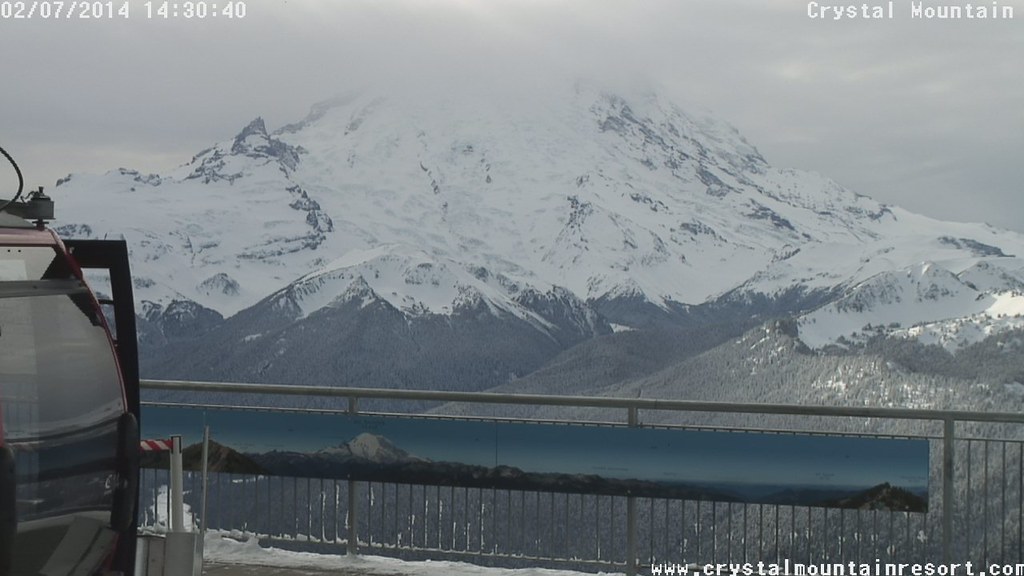
While the Dolomiti Superski area—the largest ski carousel in the world—is a major draw, winter in the Dolomites offers more than just downhill skiing. The region is a premier destination for snowshoeing, ski touring, and ice climbing. The frozen waterfalls of the Serrai di Sottoguda provide a dramatic backdrop for climbers, while the quiet woods of the Fanes-Sennes-Prags Nature Park are perfect for snowshoeing.
For those who prefer a slower pace, the Christmas markets in Bolzano and Bressanone are among the most authentic in Italy. They offer a chance to sample vin brulé (mulled wine) and buy handcrafted wooden toys. The Hotel Castel Fragsburg near Merano, a former 14th-century hunting lodge, provides a fairy-tale winter base, perched on a cliffside overlooking the valley. Even in the depths of winter, the region's focus on light and warmth makes it an inviting escape.
Summer Adventures and Via Ferrata
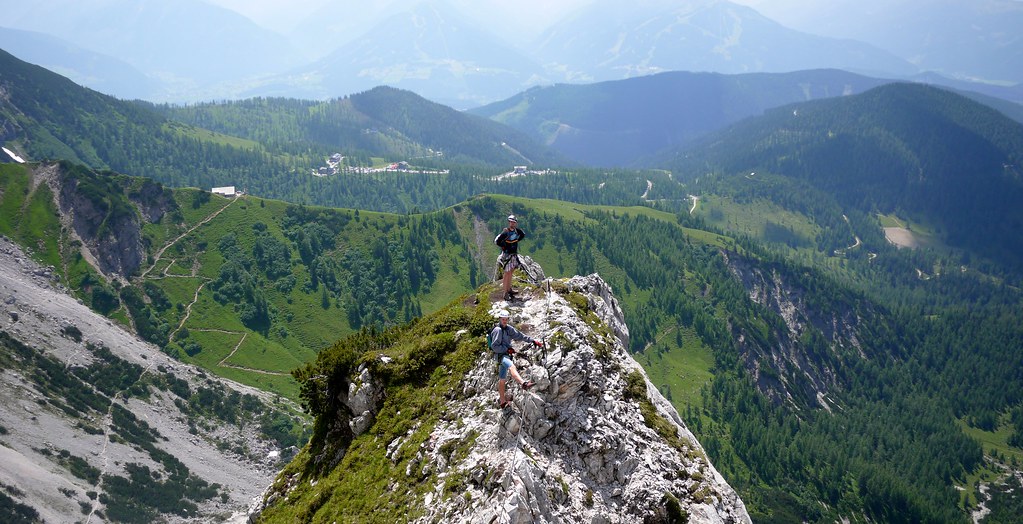
As the snow melts in June, the "Iron Paths" or Via Ferrata open up. These are protected climbing routes using fixed cables, ladders, and bridges, allowing hikers to reach summits that would otherwise require expert climbing skills. Originating from the First World War, when soldiers needed to move through the mountains, these routes now offer thrilling adventures for the modern traveller.
The Via Ferrata delle Trincee near Arabba offers not only a physical challenge but a historical journey through wartime tunnels and fortifications. For those less inclined to hang off a cliff, the summer flower meadows of the Val di Funes, with the iconic St. Magdalena church in the foreground and the Odle peaks in the back, offer a more sedentary but equally breathtaking experience. When booking summer trips, steer clear of the basic packages found on Expedia; the complexity of mountain weather and local logistics means a tailor-made approach is always superior.
Navigating the Dolomites: Logistics and Timing
The Dolomites are best accessed via Venice Marco Polo, Innsbruck, or Verona airports. From Venice, Cortina is a two-hour drive, while Bolzano is easily reached from Innsbruck. We highly recommend a private transfer or a luxury car hire, as the freedom to drive the mountain passes is a highlight of the trip.
The best time to visit depends on your interests. For skiing, late January to mid-March offers the best snow. For hiking, late June to September is ideal, though September brings the bonus of stable weather and the stunning autumn colours of the larch trees. Avoid November and May, as many hotels and lifts close for maintenance during these "shoulder" months. Managing these logistics is where local expertise becomes invaluable, ensuring you aren't stuck in a valley where the main gondola is closed for the season.
Tailor-Made Luxury with The Travel Co.
The Dolomites are a complex tapestry of cultures, peaks, and hidden valleys. While it is possible to piece together a trip using sites like Booking.com or Skyscanner, the true essence of the region is found in the details—the private table at a Michelin-starred hut, the sunrise helicopter flight over the Marmolada glacier, or the perfect suite at the Rosa Alpina. At The Travel Co., we specialise in weaving these elements into a seamless, high-end itinerary that reflects your personal style. Whether you are looking for a rigorous trekking adventure or a languid spa retreat centered around the finest Italian wines, our experts are ready to curate your dream Alpine escape.
Contact The Travel Co. today to begin planning your bespoke journey to the Italian Dolomites. Our specialists will craft a tailor-made quote that ensures every moment of your mountain retreat is as spectacular as the Enrosadira itself.
Inspired?
Plan a trip like this
Our specialists craft every itinerary from scratch — ATOL & ABTA protected, with 24/7 in-trip support.
Enquire Now