
The Journal
Northern Lights Holidays: Best Places to See the Aurora
A definitive guide to the ultimate celestial spectacle across Iceland, Scandinavia, and the Canadian Arctic.
The solar cycle is currently approaching its 'Solar Maximum,' a period of peak solar activity that occurs roughly every eleven years. For those seeking the aurora borealis, this translates to the most frequent and intense displays of geomagnetic light in over a decade. As the sun’s charged particles collide with the Earth's atmosphere, they create ribbons of emerald, violet, and crimson that dance across the polar skies. Yet, witnessing this phenomenon requires more than just a flight to the north; it demands precision, timing, and an understanding of the Arctic’s micro-climates.
Securing a front-row seat to this celestial ballet involves navigating the 'Aurora Oval'—a ring-shaped zone situated between 60 and 75 degrees latitude. Within this belt, the likelihood of sightings increases exponentially. However, cloud cover remains the primary adversary of the aurora hunter. Choosing a location with a stable inland climate, or a coastal region where winds frequently clear the skies, is essential for a successful expedition. At The Travel Co., we curate itineraries that balance these scientific necessities with the comforts of high-end hospitality.
Whether it is the volcanic drama of an Iceland Northern Lights tour, the maritime elegance of a Norwegian cruise, or the silent, snow-clad forests of Finnish Lapland, the destination dictates the character of the experience. This guide explores the nuances of the Arctic regions, the specific months that offer the clearest views, and the luxury properties that provide the most evocative vantage points for your next great adventure.
The Science of the Aurora Borealis
Understanding why the lights appear is the first step in planning any Northern Lights holidays. The phenomenon begins on the surface of the sun, where solar flares and coronal mass ejections release clouds of charged particles into space. When these particles reach Earth, they are guided by our planet's magnetic field toward the poles. As they enter the upper atmosphere, they collide with gas molecules—oxygen produces the classic green and rare red hues, while nitrogen results in blue and purple tones.
The intensity of these displays is measured by the Kp-index, a scale from 0 to 9. A Kp-0 indicates quiet activity, while a Kp-5 or higher signifies a geomagnetic storm, often visible much further south than usual. For most luxury travellers visiting the Arctic Circle, a Kp-index of 2 or 3 is sufficient to produce a vivid show, provided the sky is dark and free of light pollution.
When to Go: The Best Months for Sightings
The aurora is technically present year-round, but it is invisible during the long daylight hours of the Arctic summer. The viewing season traditionally runs from late September to early April.
- September and October: This is the 'shoulder season.' While there is less snow on the ground, the temperatures are milder. The autumn equinox often triggers enhanced geomagnetic activity due to the Russell-McPherron effect, making this a prime time for those who wish to see the lights reflected in ice-free lakes.
- November to February: These are the darkest months, providing the maximum number of viewing hours. This period offers the quintessential 'winter wonderland' aesthetic, with deep snow and the opportunity for daytime activities like dog sledding and snowmobiling.
- March and April: The spring equinox is another peak period for solar activity. The days are longer, allowing for more exploration, but the nights remain sufficiently dark and usually clearer than the mid-winter months, as the atmosphere stabilizes.
Iceland: The Volcanic Stage for the Aurora
Iceland is often cited as the best place to see Northern Lights due to its accessibility and the dramatic backdrop of its landscapes. Unlike other regions, the entire country sits within the Aurora Oval. This means that if the sky is clear, you could potentially see the lights from the centre of Reykjavik, though the experience is far superior in the rural reaches of the South Coast or the remote Westfjords.
The Icelandic weather is notoriously fickle. A common saying in the country is, "If you don't like the weather, wait five minutes." This volatility means that while one part of the island is clouded over, another might have perfectly clear skies. We recommend a self-drive or private guided tour that allows for mobility. Driving three hours east from the capital to the Jökulsárlón Glacier Lagoon provides a spectacular setting where the green lights reflect off massive icebergs drifting toward the Atlantic.
Exploring the Snaefellsnes Peninsula
Often called 'Iceland in Miniature,' this peninsula offers diverse geological features, from the Kirkjufell mountain to black sand beaches. The lack of light pollution here makes it an exceptional base for aurora hunting. Staying in a boutique lodge in this region allows guests to monitor the skies from the comfort of a geo-thermally heated hot tub—a signature Icelandic experience.
Norway: Coastal Fjords and Arctic Cities
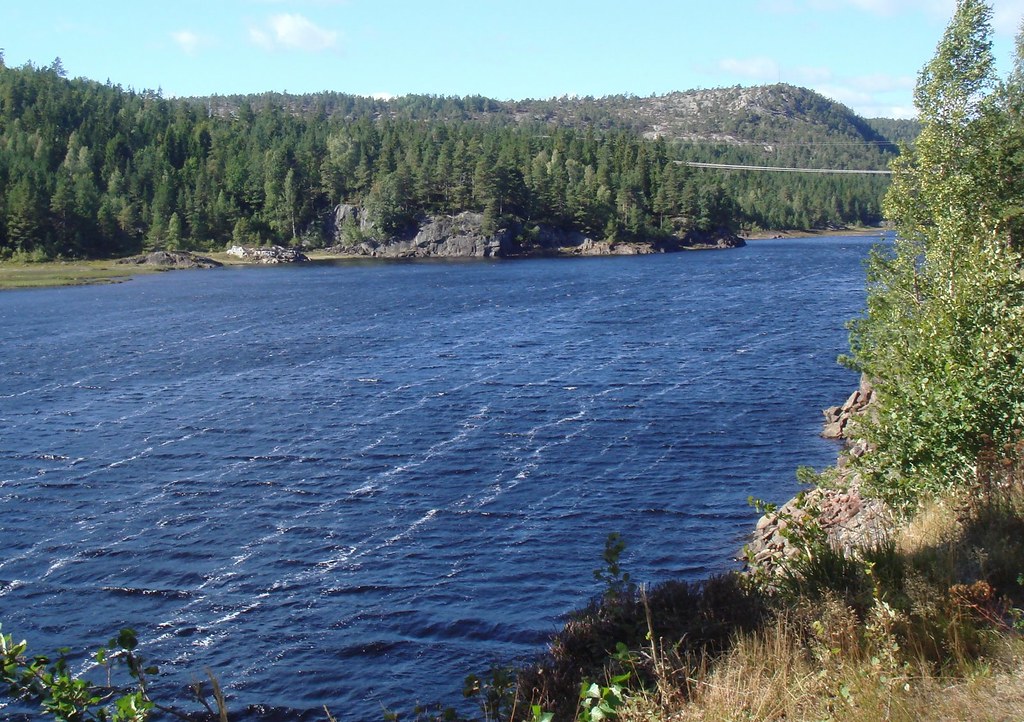
Norway offers a different perspective, combining the rugged beauty of the fjords with the sophisticated infrastructure of cities like Tromsø. Known as the 'Gateway to the Arctic,' Tromsø is a vibrant hub located 350 kilometres north of the Arctic Circle. The city’s location, protected by mountains and warmed by the Gulf Stream, makes it surprisingly habitable despite its latitude.
For those who prefer a moving vantage point, a voyage on the Havila or Hurtigruten coastal paths offers a unique opportunity. These ships sail through the deep fjords, far from the lights of civilization. Most modern vessels now feature 'aurora alerts' in the cabins, ensuring guests never miss a display, even in the middle of the night. Further south, the Lofoten Islands provide perhaps the most photogenic landscape in the world, with sharp granite peaks rising directly from the sea and traditional red 'rorbu' cabins lining the shore.
Finland: The Land of Glass Igloos
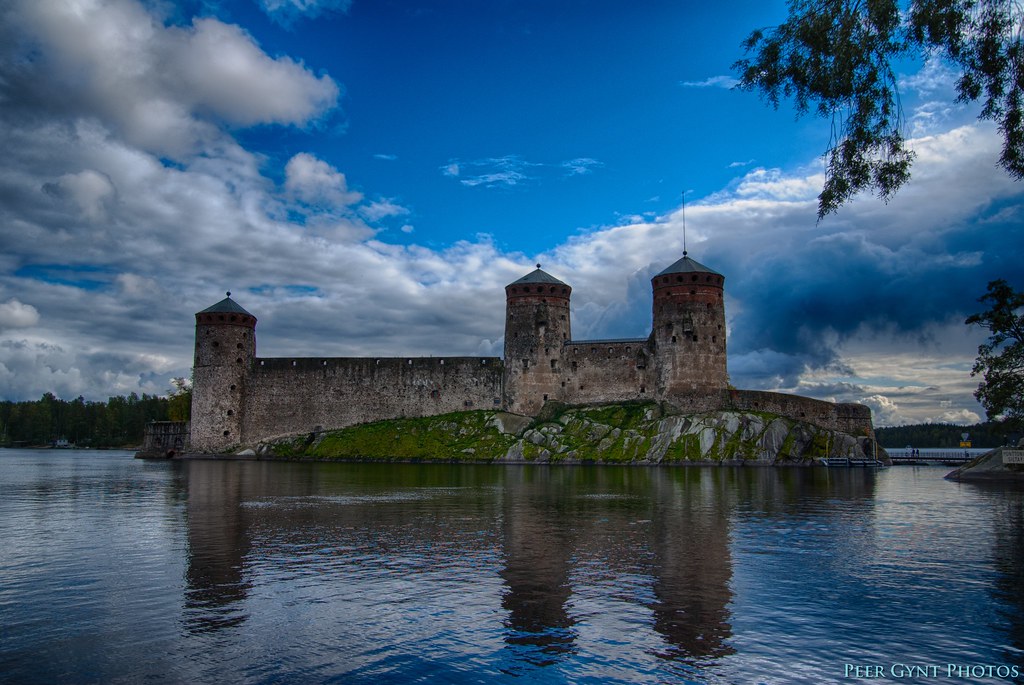
Finland has pioneered the luxury aurora experience with its iconic glass igloos. Located primarily in Finnish Lapland—regions like Rovaniemi, Levi, and Saariselkä—these properties are designed specifically for stargazing. The thermal glass remains frost-free, allowing guests to lie in bed and watch the sky through a panoramic dome.
The Finnish experience is deeply rooted in 'Sisu' and the serenity of the boreal forest. Beyond the lights, Finland offers high-end culinary experiences, focusing on reindeer, cloudberries, and fresh-caught Arctic char. For a multi-generational trip, the combination of Santa Claus Village and private aurora safaris makes Finnish Lapland a premier choice for Northern Lights holidays.
Sweden: The Abisko Micro-climate
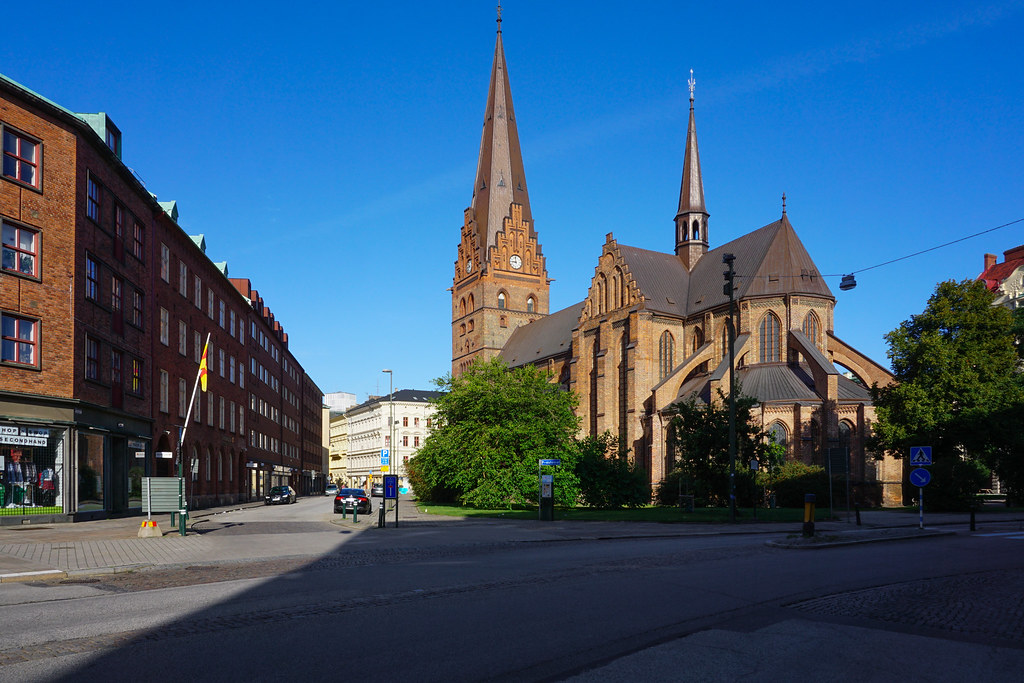
While Sweden shares many characteristics with its neighbours, it holds a secret weapon: Abisko National Park. Due to the surrounding mountains and the prevailing winds, Abisko enjoys a 'blue hole'—a patch of sky that remains clear even when the surrounding areas are overcast. This unique micro-climate has earned it a reputation as one of the most reliable spots on earth for aurora sightings.
The Swedish Lapland experience is often more understated and rustic-luxe than Finland. It is home to the original Icehotel in Jukkasjärvi, an architectural marvel carved annually from the frozen waters of the Torne River. A stay here is a rite of passage for any Arctic enthusiast, combining art, ice, and the hope of a shimmering sky.
Canada: The Wilderness of the Northwest Territories
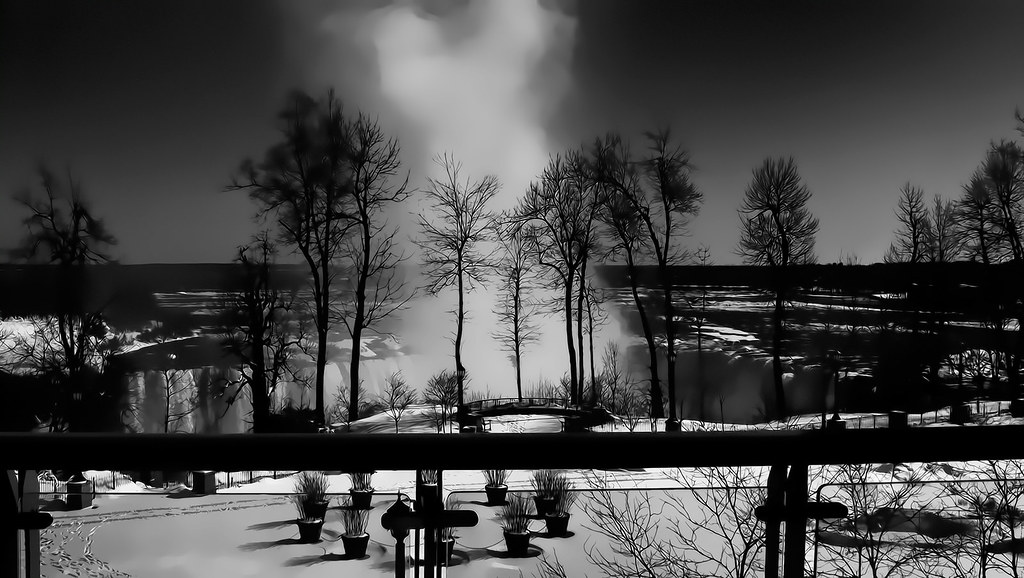
For those willing to travel further afield, the Canadian North provides a vast, untouched wilderness. Yellowknife, the capital of the Northwest Territories, is frequently touted as the aurora capital of North America. The flat terrain and distance from the coast result in exceptionally clear skies and very cold, stable weather.
Churchill, Manitoba, famous for its polar bears, is another exceptional location. Here, travellers can combine bear-watching in the autumn with aurora viewing. The Canadian experience is defined by its scale; the displays here often feel larger and more immersive, framed by the endless pine forests of the Taiga.
Essential Gear for Aurora Hunting
To properly enjoy the experience, one must be prepared for temperatures that can drop to -30°C.
- Base Layers: Merino wool is essential for moisture-wicking and heat retention.
- Outerwear: Most luxury lodges provide heavy-duty thermal suits, but bringing your own high-quality down jacket and insulated boots is recommended.
- Photography: A tripod is non-negotiable for capturing the lights. You will need a camera with manual settings (DSLR or mirrorless) and a wide-angle lens with a low f-stop (f/2.8 or lower).
- Spare Batteries: Cold weather drains batteries rapidly. Always keep spares in an internal pocket close to your body heat.
Planning with The Travel Co.
At The Travel Co., we understand that a Northern Lights holiday is often a bucket-list ambition. We remove the guesswork by coordinating with local experts, meteorologists, and private guides who know the terrain intimately. From securing the best glass igloos in Finland to arranging private jet transfers into the heart of the Arctic, our bespoke service ensures your journey is as seamless as it is spectacular. We provide ATOL and ABTA protection, giving you peace of mind while you explore the edge of the world.
Comparison of Top Aurora Destinations
| Destination | Best For | Peak Season | Landscape | | :--- | :--- | :--- | :--- | | Iceland | Dramatic scenery & road trips | Sept - March | Volcanoes, waterfalls, glaciers | | Norway | Coastal cruises & fjord views | Oct - March | Deep fjords, craggy mountains | | Finland | Glass igloos & family magic | Nov - March | Boreal forests, frozen lakes | | Sweden | Sky reliability (Abisko) | Dec - March | National parks, ice art | | Canada | Remote wilderness | Jan - March | Tundra, vast lakes, wildlife |
FAQ: Frequently Asked Questions

Q: Can I see the Northern Lights with the naked eye? A: Yes, assuming the Kp-index is high enough and the sky is dark. While cameras are more sensitive to the colours, a strong display is vividly visible to the human eye as dancing ribbons of light.
Q: How many nights should I book for a successful sighting? A: We recommend a minimum of four to five nights in the Arctic region. This accounts for potential cloud cover and increases your statistical probability of seeing a display.
Q: Is it too cold for children? A: Not at all. Many luxury lodges in Finland and Sweden are perfectly equipped for families, providing thermal clothing and heated indoor viewing areas. However, we suggest children be at least five years old to fully enjoy the outdoor activities.
Q: What is the best time of night to see the lights? A: Generally, the peak window is between 10:00 PM and 2:00 AM, though they can appear anytime it is sufficiently dark.
Member Hotels for Aurora Seekers
Securing the right accommodation is the most critical element of your itinerary. These properties have been selected for their remote locations and commitment to luxury.
- Deplar Farm, Iceland: Located on the Troll Peninsula, this converted sheep farm offers grass-roofed luxury and an outdoor geothermally heated pool.
- The Retreat at Blue Lagoon, Iceland: A minimalist masterpiece built into the volcanic rock, offering private lagoon access and rooftop viewing decks.
- Levin Iglut, Finland: Premium glass igloos situated on a fell-side, offering uninterrupted views of the valley and sky.
- Arctic TreeHouse Hotel, Finland: Individual suites on stilts with floor-to-ceiling windows looking out over the snow-covered forest canopy.
- Octola Private Wilderness, Finland: The pinnacle of exclusivity in Lapland, offering a private 300-hectare estate and ultra-luxury wooden chalets.
- Wolf Lodge, Norway: Located inside the Polar Park, this lodge allows you to view the lights while surrounded by rescued timber wolves.
- Lyngen Lodge, Norway: A high-end pine lodge located in the Lyngen Alps, specialising in 'summit to sea' skiing and aurora photography.
- Icehotel 365, Sweden: The permanent wing of the famous Icehotel, featuring art suites kept at sub-zero temperatures year-round alongside warm, luxury rooms.
- Arctic Bath, Sweden: A floating hotel on the Lule River that freezes into the ice during winter, featuring a central giant 'bird's nest' design.
- Treehotel, Sweden: Surreal architectural rooms suspended in the pines, including the 'Mirrorcube' and 'The UFO.'
- Blachford Lake Lodge, Canada: A fly-in wilderness resort in the Northwest Territories, famously visited by the Prince and Princess of Wales.
- Hotel Rangá, Iceland: A log-cabin style luxury hotel in the south of Iceland with its own on-site observatory and expert astronomers.
- Sorrisniva Igloo Hotel, Norway: The world’s northernmost ice hotel, located on the banks of the Alta River.
- Manshausen Island, Norway: Architect-designed sea cabins overhanging the water, providing a 180-degree view of the Grøtøya Strait.
- Javri Lodge, Finland: Originally the winter retreat of the Finnish President, this adults-only lodge offers an intimate and sophisticated Arctic experience.
Plan your trip with The Travel Co. and let our specialists design a bespoke Northern Lights holiday tailored to your exact preferences. From the initial consultation in our London or Dubai offices to the moment you return home, every detail of your Arctic expedition is managed with meticulous care, ensuring your only responsibility is to look up and marvel at the sky.
Inspired?
Plan a trip like this
Our specialists craft every itinerary from scratch — ATOL & ABTA protected, with 24/7 in-trip support.
Enquire Now