
The Journal
Madagascar Travel Guide: Lemurs, Baobabs & Castaway Beaches
An insider’s guide to the world’s fourth-largest island and its most exclusive wilderness retreats.
Floating in the turquoise embrace of the Indian Ocean, Madagascar is less a country and more a misplaced continent. Separated from the African mainland some 88 million years ago, it has evolved in glorious isolation, resulting in a biological wonderland where 90% of the wildlife is found nowhere else on Earth. For the discerning traveller, Madagascar represents the final frontier of luxury adventure. It is a place where you can wake to the eerie, whale-like song of the Indri lemur, traverse red-clay highlands that resemble a terracotta tapestry, and retire to a private island villa that rivals anything in the Maldives. This is not a destination for the hurried; it is a land for the curious, those who seek to trade the clinical polish of mass tourism for the raw, beating heart of the natural world.
The Allure of the Red Island: Why Madagascar Now?
For decades, Madagascar remained the preserve of rugged backpackers and specialist researchers. However, the last five years have seen a quiet revolution in the island’s hospitality landscape. High-end eco-lodges and ultra-luxury private islands have emerged, bridging the gap between raw exploration and refined comfort. While platforms like Booking.com or Expedia might show you a handful of business hotels in the capital, they rarely scratch the surface of the exclusive conservancies and hidden emerald coves that define a true luxury itinerary.
The appeal lies in the contrast. One day you are navigating the jagged limestone karst of the Tsingy de Bemaraha—a "stone forest" that looks like a cathedral designed by a madman—and the next, you are sipping chilled Sauvignon Blanc on the deck of a catamaran in the Mitsio Archipelago. Madagascar offers a "safari" experience that is entirely distinct from the Big Five of Kenya or South Africa. Here, the prizes are sapphire-eyed lemurs, neon-bright chameleons, and the majestic baobab trees that stand like ancient sentinels against the violet dusk.
Antananarivo: A Gallic Heart in the Highlands
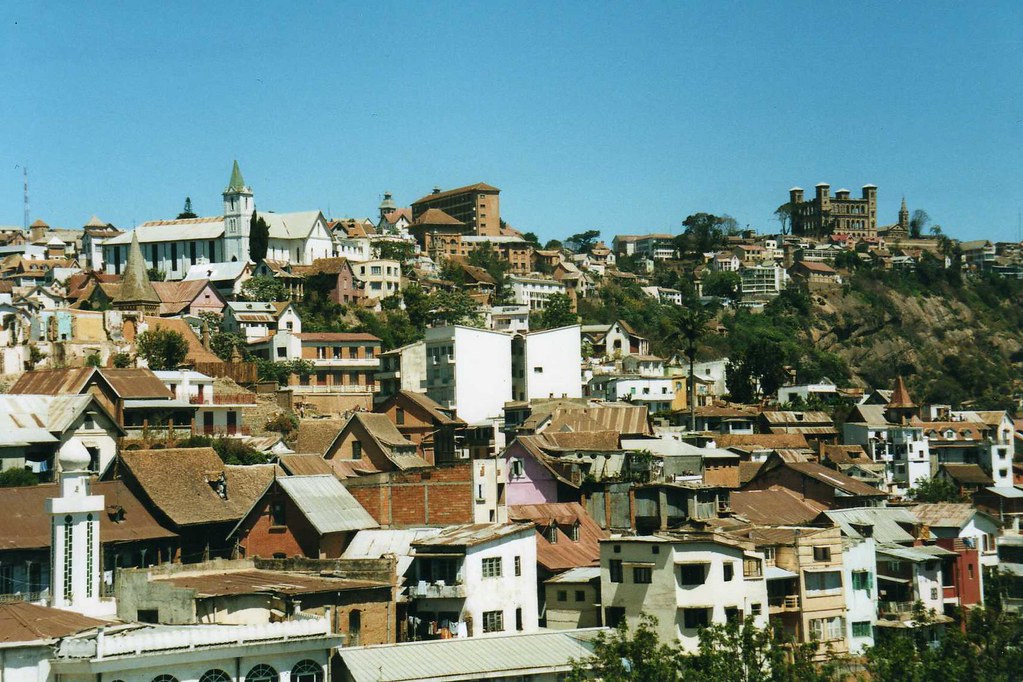
Most journeys begin in "Tana," the sprawling, chaotic, yet undeniably charming capital. Perched on a series of hills, the city is a mosaic of pastel-coloured houses, steep cobblestone streets, and bustling markets. It feels more like a provincial French town in the 1950s than a modern African hub.
For a refined start to your expedition, avoid the generic listings often found on lastminute.com and opt for the Maison Gallieni. Located in the historic heart of the city, this boutique four-room guesthouse offers a sanctuary of polished wood, contemporary Malagasy art, and a heated pool overlooking the Queen’s Palace. For those who prefer a grander scale, the Lokanga Boutique Hotel provides a nostalgic immersion into the 1930s, with wrap-around balconies offering panoramic views of the city. A night in Tana is the perfect time to acclimatise, sample refined French-Malagasy fusion cuisine, and prepare for the internal flights that will carry you to the island's remote corners.
The Avenue of the Baobabs: Nature’s Grand Cathedral
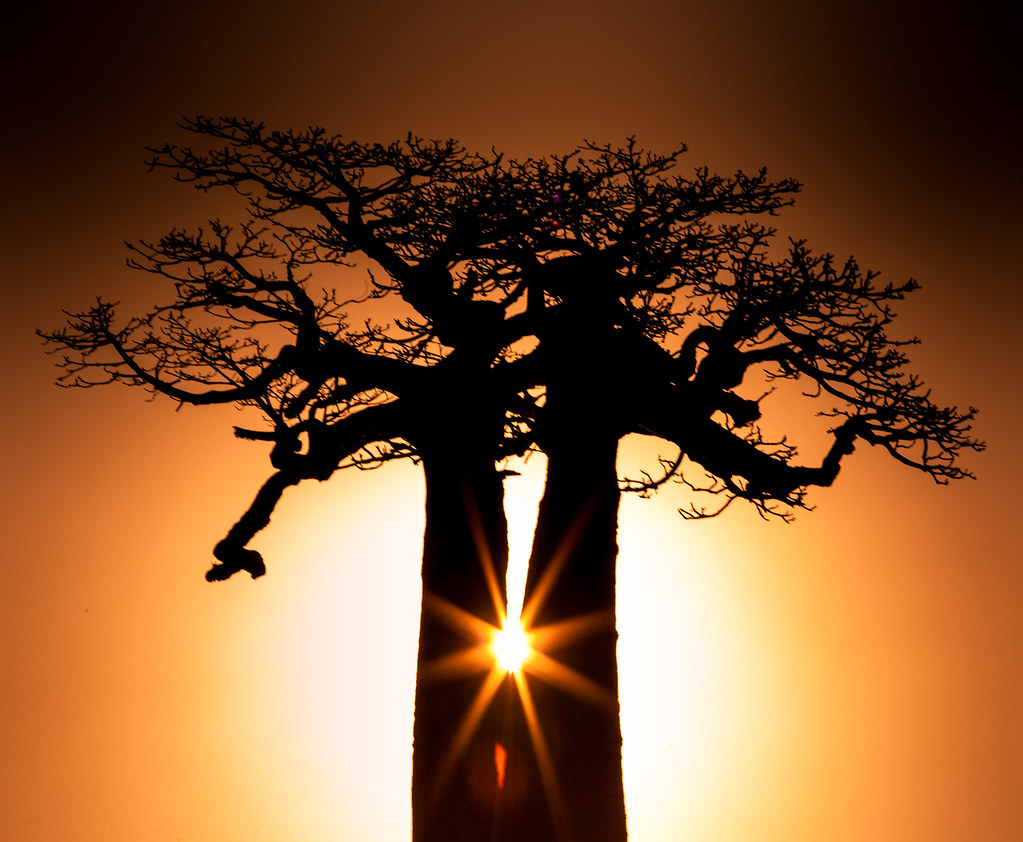
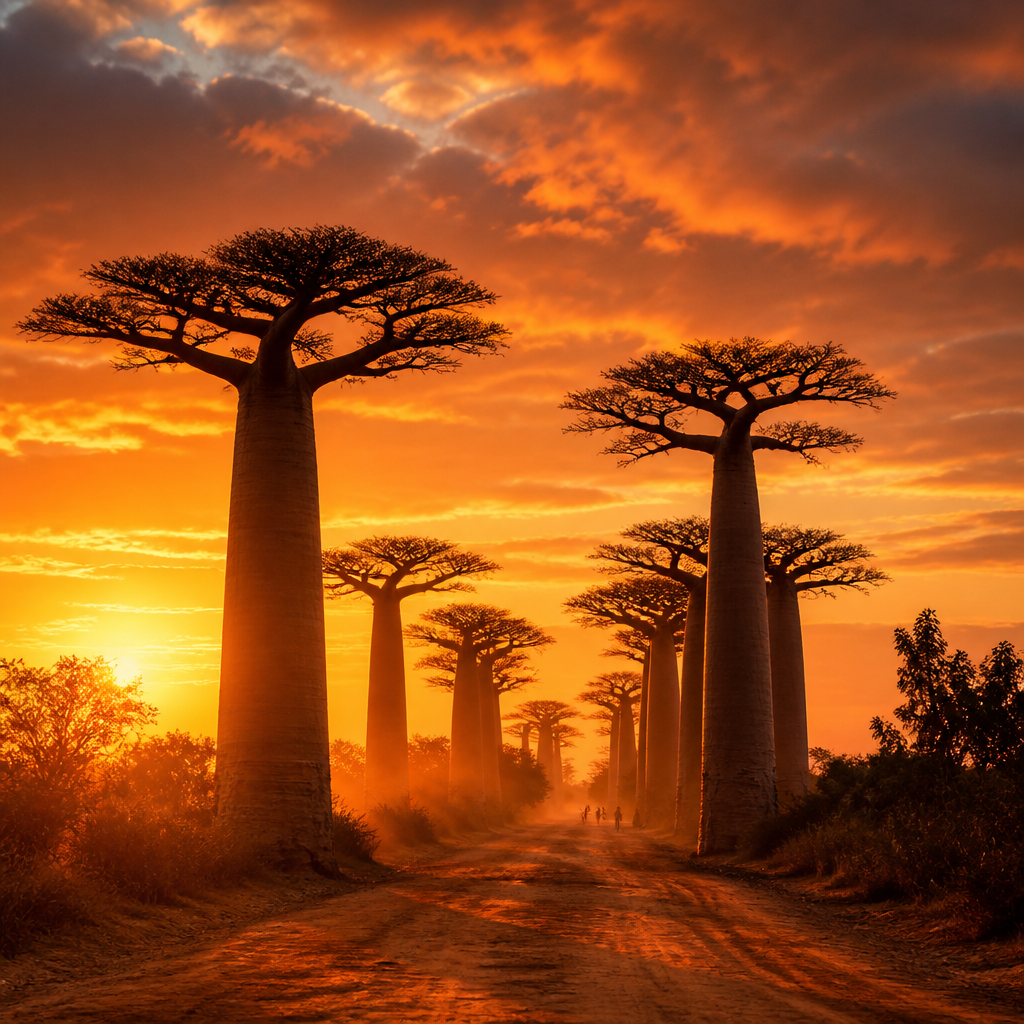
No image captures the mystery of Madagascar quite like the Avenue of the Baobabs. Located near Morondava on the west coast, this dirt track is lined by two dozen Adansonia grandidieri, trees that can live for over 800 years and reach heights of 30 metres. To see them at sunrise, when the rising light glints off their smooth, bottle-shaped trunks, is a spiritual experience.
While many tourists book day trips through mass-market sites like TUI or Jet2holidays, the luxury resides in staying at Palissandre Côte Ouest. It serves as a comfortable base from which to explore the nearby Kirindy Forest, home to the Fosa—Madagascar’s apex predator, a cat-like creature that hunts lemurs through the canopy. The "Avenue" itself is best visited twice: once at dawn to avoid the crowds, and again at sunset, when the shadows of these "upside-down trees" stretch across the red earth like the fingers of a giant.
Miavana by Time + Tide: The Pinnacle of Indian Ocean Luxury
If you are looking for the absolute zenith of luxury in Madagascar, look no further than Miavana by Time + Tide. Located on the private island of Nosy Ankao off the northeast coast, this is not just a resort; it is a masterclass in "blue safari" living. Access is via helicopter from Diego Suarez or Nosy Be, a journey that reveals the stunning tapestry of reefs and shipwrecks below.
The villas at Miavana—priced from approximately £2,500 per person per night—are sprawling palaces of hand-cut stone and floor-to-ceiling glass. Each comes with a dedicated butler, a fleet of electric vehicles, and access to a private beach. What sets Miavana apart from the luxury resorts on loveholidays or On the Beach is the "Blue Safari" concept. Guests can take a helicopter to a remote rainforest to spot golden-crowned sifakas in the morning and be back on a private sandbank for a lobster lunch by noon. It is world-class conservation disguised as effortless opulence.
Andasibe-Mantadia: The Song of the Indri
Rainforest enthusiasts must venture east to Andasibe-Mantadia National Park. This is the domain of the Indri, the largest of all lemurs. Unlike their cousins, Indris cannot survive in captivity; to see them, you must walk through their misty, primary forest habitat. Their haunting, siren-like call carries for miles and is one of the most evocative sounds in the natural world.
Staying at Mantadia Lodge offers a sophisticated retreat within this lush wilderness. The lodge features 25 contemporary rooms with wood-burning stoves for the cool highland nights and an infinity pool that overlooks the canopy. While Skyscanner might help you find the best flights into Antananarivo, the logistics of reaching Andasibe require a private driver and a deep understanding of the local road conditions—a level of detail that only a specialist agency can provide. From here, you can also visit "Lemur Island," where rescued primates will happily sit on your shoulder for a photo, though the real magic lies in the silence of the deep forest.
The Emerald North: Nosy Be and Beyond
Nosy Be is Madagascar’s most popular island destination, but for the luxury traveller, the secret lies in the surrounding archipelagos. While the main town of Hell-Ville can feel a bit touristy, the offshore islands offer a true castaway experience.
Constance Tsarabanjina is the jewel of the Mitsio Archipelago. This "barefoot luxury" resort is located on a private island and operates on a "no shoes, no news" policy. The villas are built from local materials and tucked into the vegetation, mere steps from the whitest sand in the Indian Ocean. Unlike the sprawling all-inclusive resorts found on standard booking sites, Tsarabanjina offers an intimate, eco-conscious experience where the focus is on the thriving reef and the absolute serenity of your surroundings.
The Masoala Peninsula: Where the Forest Meets the Sea
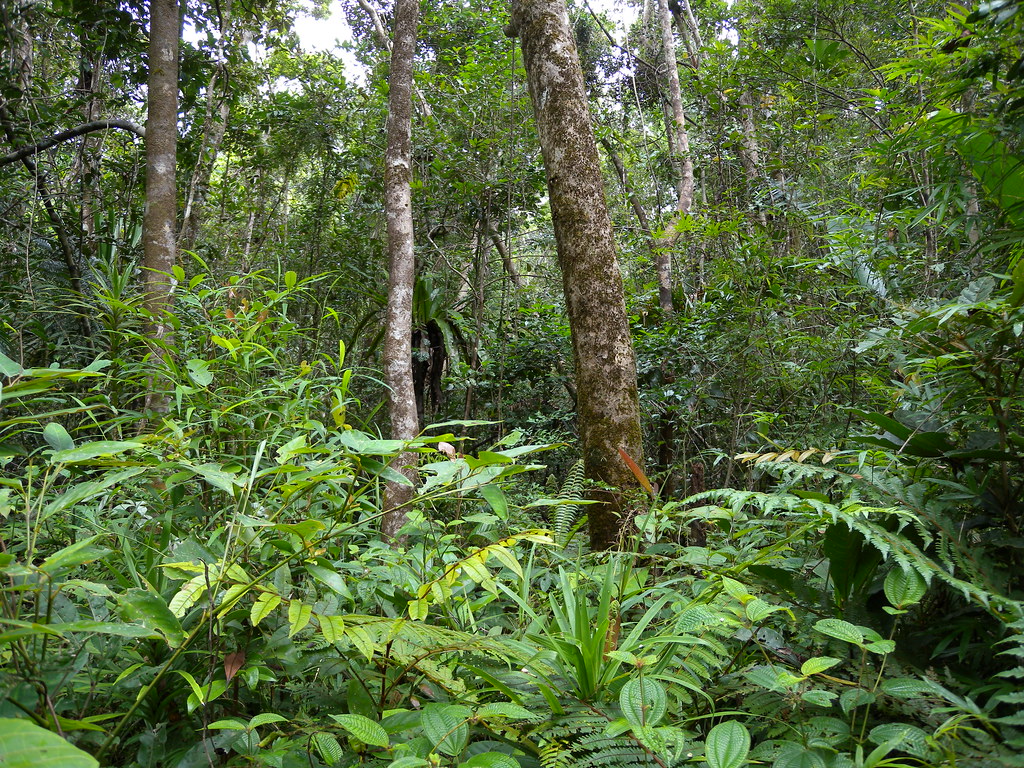
For the true adventurer, the Masoala Peninsula in the northeast is the ultimate prize. Remote and largely inaccessible except by boat, this UNESCO World Heritage site contains the largest area of lowland rainforest in Madagascar. Here, giant ferns and ancient hardwoods tumble directly onto golden beaches.
Masoala Forest Lodge is the place to stay here. This low-impact, high-reward camp is tucked into the littoral forest, offering access to both the marine park and the primary jungle. It is one of the few places on earth where you can snorkel over coral gardens in the morning and trek through the rainforest to find the bizarre, prehistoric-looking Aye-aye lemur by torchlight at night. This is "luxury" in its most authentic sense—privacy, pristineness, and a total disconnect from the modern world.
Ile Sainte Marie: Pirates and Humpback Whales
Off the east coast lies the slender island of Ile Sainte Marie (Nosy Boraha). In the 17th century, this was a notorious pirate stronghold, and today you can still visit the world’s only pirate cemetery, where gravestones marked with skulls and crossbones overlook the bay.
Between July and September, the island becomes one of the best places in the world for whale watching. Humpback whales migrate from the Antarctic to these warm waters to breed and calve. Princesse Bora Lodge & Spa is the premier choice for accommodation here. The lodge’s beach villas are elegant and airy, and their "Jungle Spa" is renowned for its Malagasy essential oil treatments. The lodge also operates a research centre for the whales, ensuring that your wildlife encounters are both spectacular and ethical.
The Tsingy de Bemaraha: A Labyrinth of Limestone
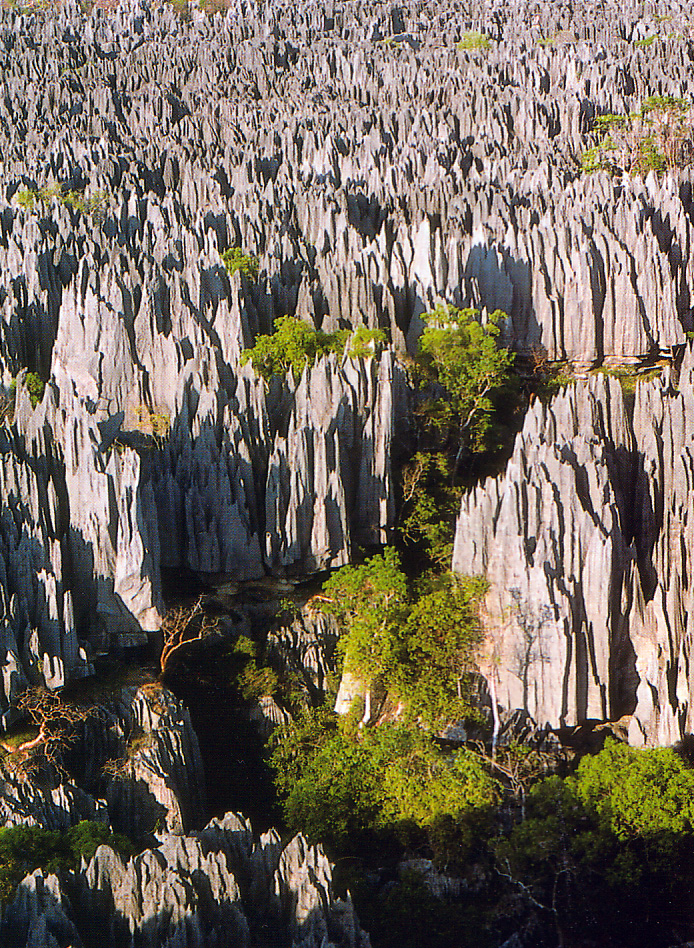
A trip to the Tsingy de Bemaraha is a journey into another dimension. This geological formation consists of thousands of jagged limestone needles, some reaching hundreds of metres into the air. Navigating the park involves a series of suspension bridges and via ferrata cables, making it an exhilarating physical challenge.
Due to its remote location on the west coast, many omit the Tsingy from their itinerary. However, for those who make the effort, the reward is a landscape unlike anything else on the planet. The best way to experience it is by incorporating a private charter flight, bypassing the long and arduous road journey. Staying at Soleil des Tsingy provides a comfortable sanctuary after a day of climbing, with a pool that offers sunset views over the Manambolo River.
Anjajavy le Lodge: The Ultimate Coastal Reserve
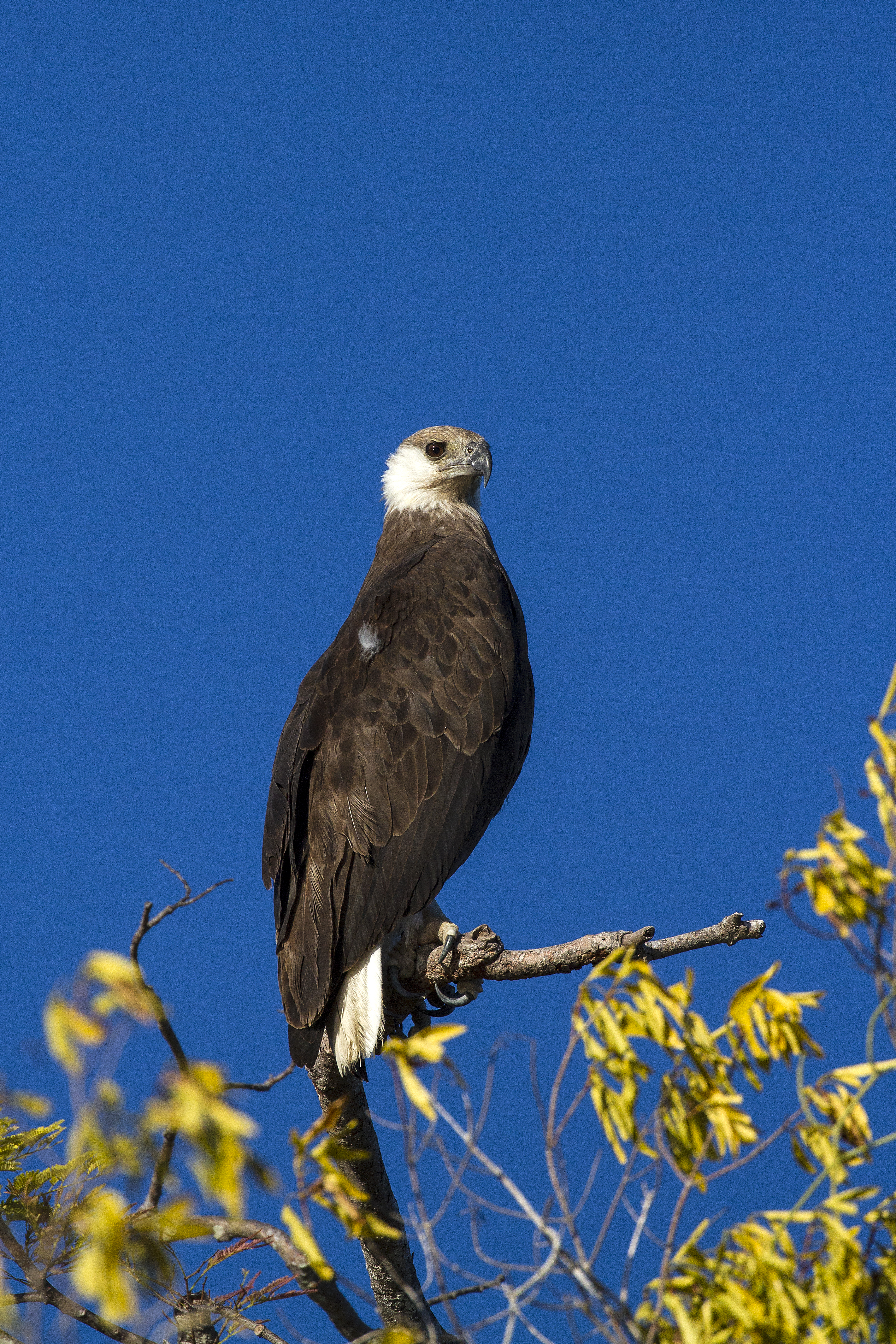
Located on a remote peninsula on the northwest coast, accessible only by the lodge’s private plane, Anjajavy le Lodge is a 450-hectare nature reserve that perfectly blends beach and bush. The lodge is a member of the Relais & Châteaux portfolio, which should give you an indication of the culinary and service standards to expect.
The villas here are crafted from precious woods and overlook a series of private coves. What makes Anjajavy unique is its "Oasis," a lush garden where Coquerel’s sifakas (the "dancing lemurs") are frequently seen leaping between trees. It is one of the few places where you can enjoy a five-star dinner while lemurs play in the branches above your table. This level of curated wilderness is far beyond the reach of a DIY booking through a platform like loveholidays.
The Deep South: Spiny Forests and Ring-Tailed Lemurs

The southern tip of Madagascar is home to a unique ecosystem known as the Spiny Forest. Dominated by Octopus Trees and bloated Baobabs, this arid landscape looks like something out of a Dr Seuss book. It is also the best place to see the iconic Ring-tailed lemur.
Mandrare River Camp offers a luxury tented experience in the heart of this surreal environment. The tents are spacious and set on elevated wooden platforms with private terraces overlooking the river. Adventures here include night walks to find the tiny Grey-brown mouse lemur and visits to the local Antandroy tribe, providing a fascinating glimpse into the complex ancestral traditions that define Malagasy culture.
Dining and Culture: A Fusion of Flavours
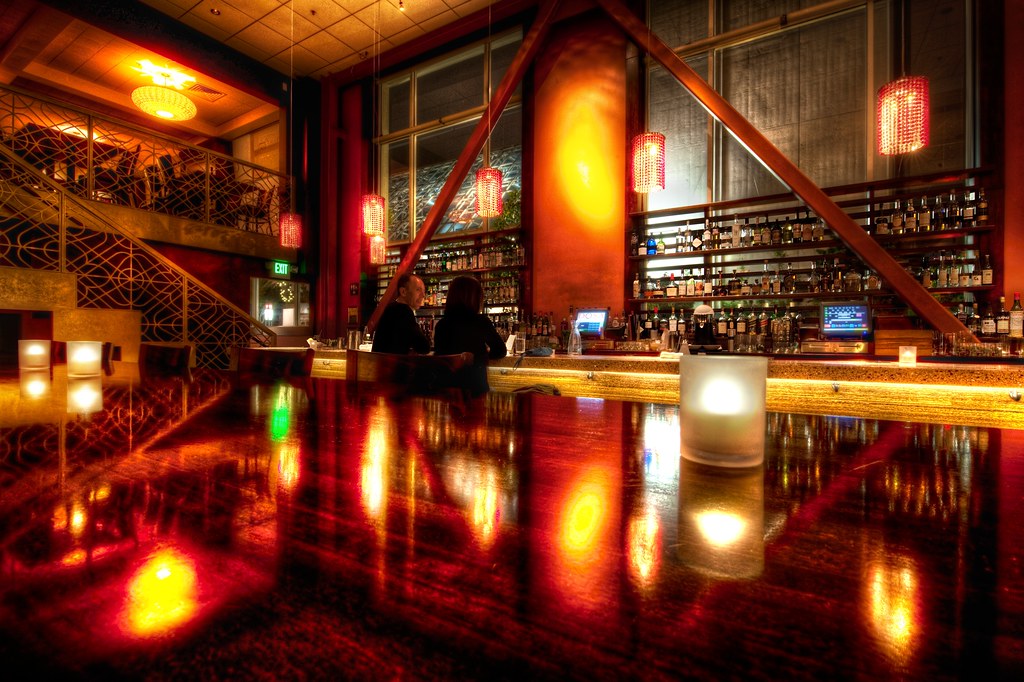
Malagasy cuisine is a sophisticated blend of African, Southeast Asian, and French influences. Rice (vary) is the staple, often served with Romazava, a fragrant meat and green leaf stew. Thanks to the island’s French colonial history, however, you will find exceptional boulangeries in even the most remote towns, and the seafood—from giant prawns to grilled snapper—is universally fresh and delicious.
Madagascar is also the world’s leading producer of vanilla. In the markets, you can buy bundles of fat, oily pods for a fraction of the price they command in London. The island’s pepper and cocoa are also world-renowned, often ending up in the kitchens of Michelin-starred chefs across Europe. For the ultimate culinary souvenir, look for Chocolat Robert, a bean-to-bar brand that captures the rich, fruity notes of Malagasy cacao.
When to Go and How to Travel
Madagascar is a seasonal destination. The best time to visit is during the dry season, from April to October. July and August are prime months for whale watching and offer cooler temperatures in the highlands, while September and October are excellent for seeing lemur infants and chameleons.
Getting around Madagascar is the biggest challenge for the independent traveller. Roads can be poor, and the domestic airline, Madagascar Airlines, is notoriously unpredictable. This is where the value of a specialist travel agency becomes clear. We arrange private charters and helicopter transfers to ensure you spend your time on the beach or in the forest, rather than waiting in an airport terminal. While you might find cheap flights on Skyscanner, the logistics of a multi-stop Madagascar itinerary require a level of precision that only experience can provide.
Planning Your Malagasy Odyssey
Madagascar is not just a holiday; it is a life-changing expedition. It challenges your perceptions of the natural world and rewards you with sights and sounds that exist nowhere else. Whether you want to trek through the rainforests of Masoala, dive the pristine reefs of the Mitsio Archipelago, or simply watch the sun set behind a 1,000-year-old baobab, this island delivers on every level.
At The Travel Co., we specialise in creating bespoke Madagascar itineraries that combine the island’s raw, untamed beauty with its most exclusive and comfortable lodges. We understand the nuances of the "Eighth Continent," from the best lemur-spotting guides to the most reliable private flight routes. Why settle for a generic package from a high-street operator like TUI or Jet2holidays when you can have a journey crafted specifically to your interests and pace?
Contact our expert team today to begin planning your tailor-made Madagascar adventure. Let us turn the "Red Island" into your next great story.
Inspired?
Plan a trip like this
Our specialists craft every itinerary from scratch — ATOL & ABTA protected, with 24/7 in-trip support.
Enquire Now