
The Journal
India Travel Guide: Golden Triangle, Kerala & Royal Rajasthan
A curated journey through the palaces of Jaipur, the backwaters of Kerala, and the soul of the subcontinent.
India is not merely a destination; it is a sensory deluge that defies pithy description. For the British traveller, the subcontinent offers a profound connection to history, architecture, and a brand of hospitality that is arguably the finest on Earth. Whether you are chasing the first light over the Taj Mahal’s ivory dome, tracking the elusive Bengal tiger through the scorched scrub of Ranthambore, or drifting on a converted rice barge through the emerald arteries of Kerala, India demands to be experienced through a lens of unhurried luxury. At The Travel Co., we believe the secret to navigating this vast landscape lies in the balance between the iconic and the intimate.
The Golden Triangle: A Royal Introduction

The "Golden Triangle"—comprising Delhi, Agra, and Jaipur—is the quintessential starting point for any bespoke Indian odyssey. Many travellers begin their search on mass-market platforms like Expedia or Skyscanner to find flights, but the true essence of this region is found in the ground-level details that high-volume sites often overlook.
Delhi, the pulse of the nation, is a city of two halves. In Old Delhi, the scent of parathas and incense fills the air of Chandni Chowk, while New Delhi offers the wide, leafy boulevards of the British Raj. We recommend staying at The Imperial New Delhi, a colonial-style masterpiece where the afternoon tea service feels like a step back in time. From here, a private driver can whisk you to Agra. While some might look for budget deals on lastminute.com, the discerning traveller understands that luxury in Agra means a balcony view of the Taj Mahal at dawn. The Oberoi Amarvilas is the only hotel that guarantees this, situated just 600 metres from the monument. Seeing the white marble shift from soft lavender to burnished gold from your private terrace is an experience no price tag can truly quantify.
Jaipur: The Pink City’s Regal Grandeur
The third leg of the triangle is Jaipur, the capital of Rajasthan. Known as the Pink City, it is a living museum of Rajput valour and architectural brilliance. The City Palace remains a residence of the royal family, but certain wings are open to the public, showcasing a staggering collection of textiles and weaponry.
For those seeking the pinnacle of Rajasthani opulence, Rambagh Palace—once the residence of the Maharaja of Jaipur—is peerless. Spread across 47 acres of manicured gardens, the palace offers "Royal Butlers" and vintage car transfers. While mass-market sites like Booking.com may list hundreds of guest houses in Jaipur, they lack the curated access to the Suján Rajmahal Palace, an aesthetic marvel of turquoise wallpapers and Art Deco flourishes. Don't miss a sunset gin and tonic at Nahargarh Fort, overlooking the city as it glows in the amber twilight.
Royal Rajasthan: Beyond the Pink City
While the Golden Triangle provides the framework, the heart of Rajasthan lies deeper in the desert. Moving west, the city of Udaipur—often called the "Venice of the East"—centres around the shimmering Lake Pichola. Here, the Taj Lake Palace appears to float on the water like a marble mirage. Accessible only by boat, it is perhaps the most romantic hotel in the world.
Contrast this with Jodhpur, the "Blue City," dominated by the formidable Mehrangarh Fort. Stay at Umaid Bhawan Palace, one of the world’s largest private residences, where you can live like a modern-day royal. The journey between these cities is just as vital as the destinations themselves. Instead of the frantic pace found on loveholidays or TUI packages, we suggest a private car through the Aravalli Hills, stopping at the intricately carved Jain temples of Ranakpur. Prices for a private ten-day Rajasthan circuit typically begin around £4,500 per person, including five-star heritage accommodation and expert private guides.
Ranthambore: Tracking the Bengal Tiger
For the wildlife enthusiast, Ranthambore National Park offers the best opportunity in India to spot a Bengal tiger in the wild. This former hunting ground of the Maharajas of Jaipur is now a conservation success story. However, the experience varies wildly depending on your choice of lodge and vehicle.
Avoid the crowded "canters" (large open trucks) often booked through generic sites like on the beach or Jet2holidays. Instead, opt for a private 4x4 jeep safari with a naturalist who understands the nuances of the jungle’s alarm calls. After a dusty morning on the trail, retreat to Aman-i-Khas, a wilderness camp consisting of just ten luxury air-conditioned tents. Each tent features a sunken marble bathtub and a private "batman" (butler) to tend to your every need. The stillness of the jungle at night, broken only by the crackle of a campfire and the distant roar of a tiger, provides a visceral connection to the wild.
Kerala: The Soul of South India
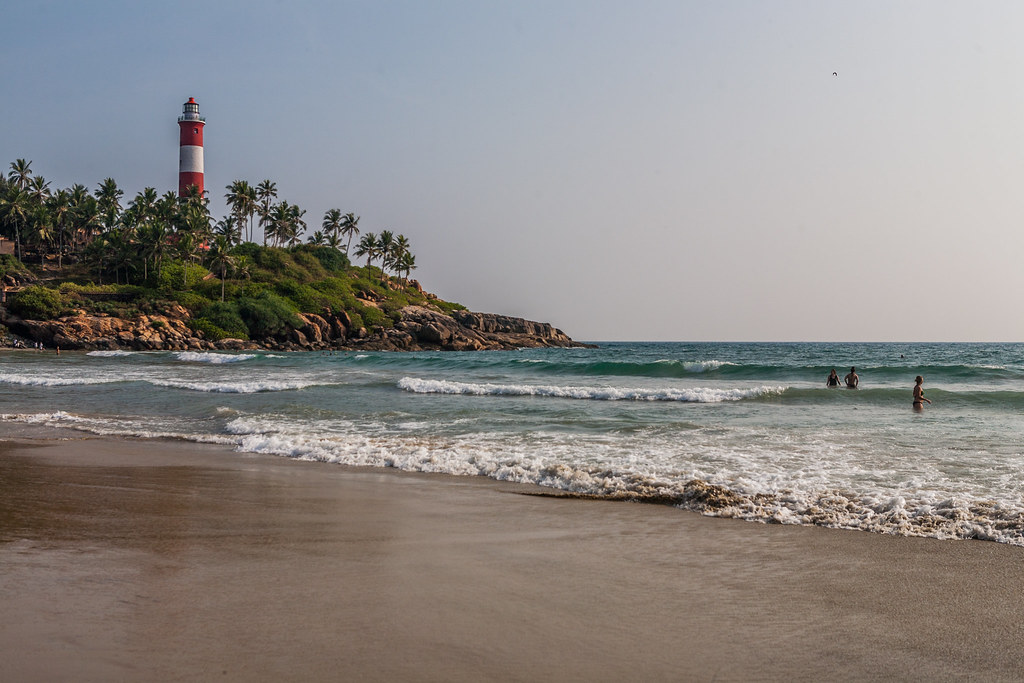
Leaving the scorched earth of the north behind, Kerala—often called "God’s Own Country"—offers a lush, tropical counterpoint. This is the land of spices, tea, and ancient Ayurvedic healing. The gateway is Kochi (Cochin), a historic port where Chinese fishing nets silhouette against the Arabian Sea.
Stay in Fort Kochi at Malabar House or Brunton Boatyard, where the architecture reflects the city’s Portuguese, Dutch, and British heritage. A two-night cruise on a Kettuvallam (luxury houseboat) through the Alleppey backwaters is essential. Unlike the standard boats you’ll find on Booking.com, we curate houseboats with private chefs who prepare Malabar prawns and pearl spot fish caught directly from the lagoons. The pace here is dictated by the water, a tectonic shift from the kinetic energy of the northern cities.
The Hills of Munnar and Wayanad
Ascending from the coast, the Western Ghats rise into clouds of mist and tea plantations. Munnar is the heart of India's tea industry, where the hills look like they have been upholstered in velvet green. Windemere Estate offers a boutique experience nestled within a working tea plantation, providing an intimate look at the "pluck to cup" process.
Further north, the district of Wayanad offers a more rugged, forested experience. Here, Pepper Trail allows you to stay in luxury treehouses perched 40 feet above the ground in a 200-acre spice plantation. For those who enjoy trekking, the climb to Chembra Peak offers panoramic views of the "heart-shaped lake," a sacred spot steeped in local folklore. The air here is thin, sweet with the scent of cardamom and eucalyptus, offering a physical and mental reset.
Varanasi: The Spiritual Epicentre
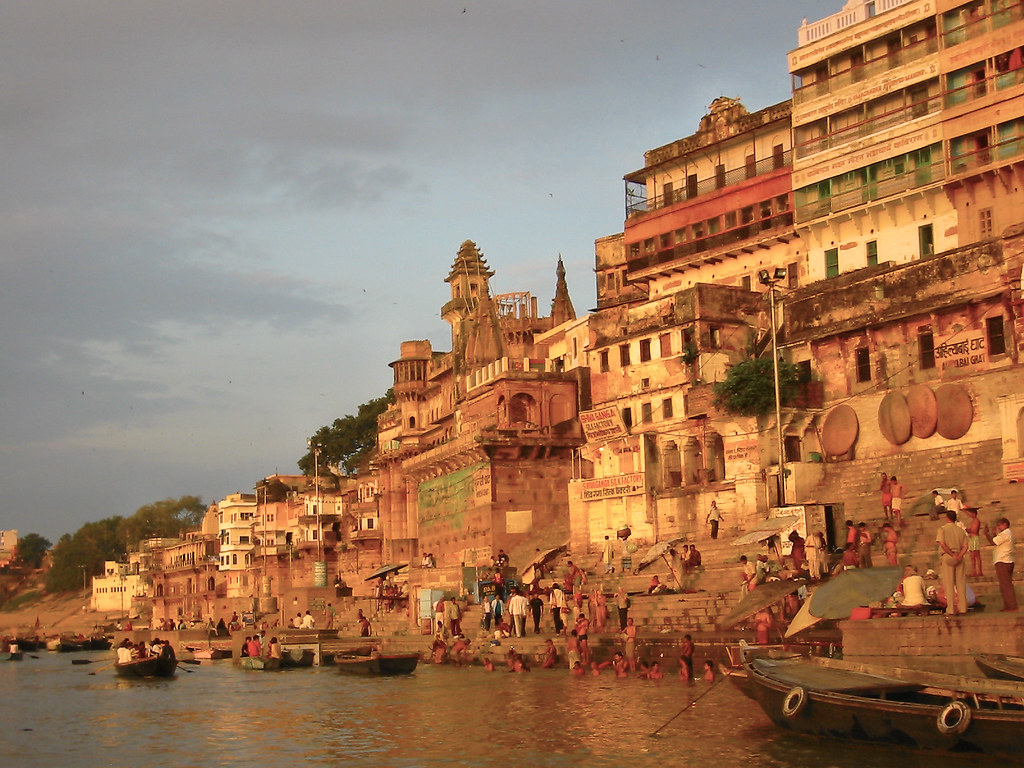
To understand India, one must eventually visit Varanasi (Benares). It is one of the oldest continuously inhabited cities in the world and the spiritual heart of Hinduism. While many travellers feel intimidated by the intensity of the Ganges, visiting with a private guide ensures a respectful and profound experience.
Witnessing the Ganga Aarti ceremony at Dashashwamedh Ghat from a private boat is a transformative experience. As thousands of flickering butter lamps are set adrift on the river, the air vibrates with rhythmic chants and the scent of sandalwood. For accommodation, Brijrama Palace is an architectural marvel perched right on the ghats. It is a dry hotel (no alcohol) out of respect for the city’s sanctity, but the vegetarian fine dining and the sunrise flute performances on the terrace are intoxicating in their own right.
The Himalayas: Sanctuary in the Sky
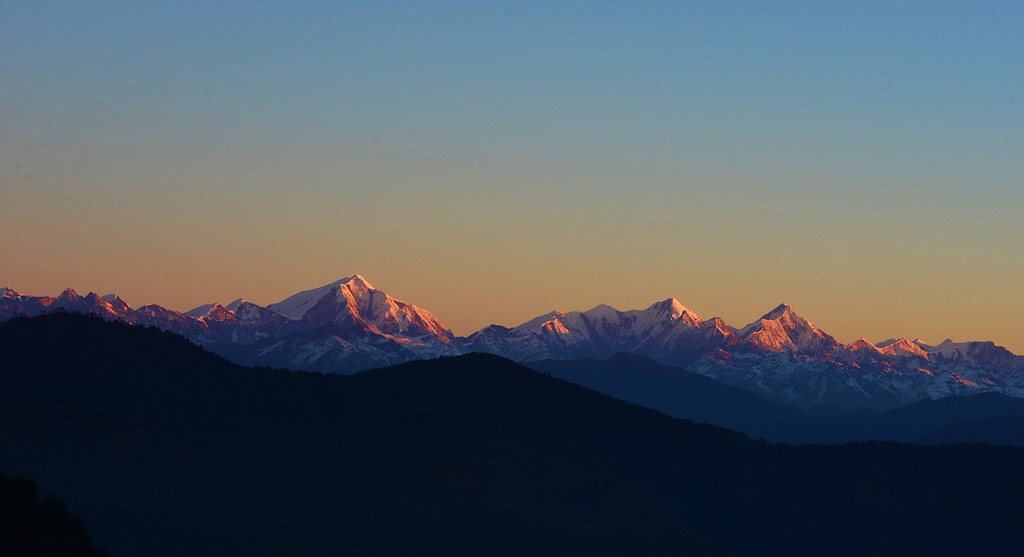
For those seeking solace and rejuvenation, the Indian Himalayas provide a backdrop of incomparable majesty. Ananda in the Himalayas, located near Rishikesh, is frequently cited as the world’s premier destination spa. Set within a Maharaja’s palace estate, it specialises in Ayurveda, Yoga, and Vedanta.
Alternatively, for the adventurous, the region of Ladakh—often called "Little Tibet"—offers high-altitude deserts and cobalt-blue lakes. Stay at Shakti Ladakh, where you occupy "village houses" that have been renovated to provide understated luxury while keeping you rooted in the local community. These journeys require meticulous planning regarding acclimatisation and seasonal weather—details that automated platforms like Expedia are ill-equipped to manage.
Mumbai: The Maximum City
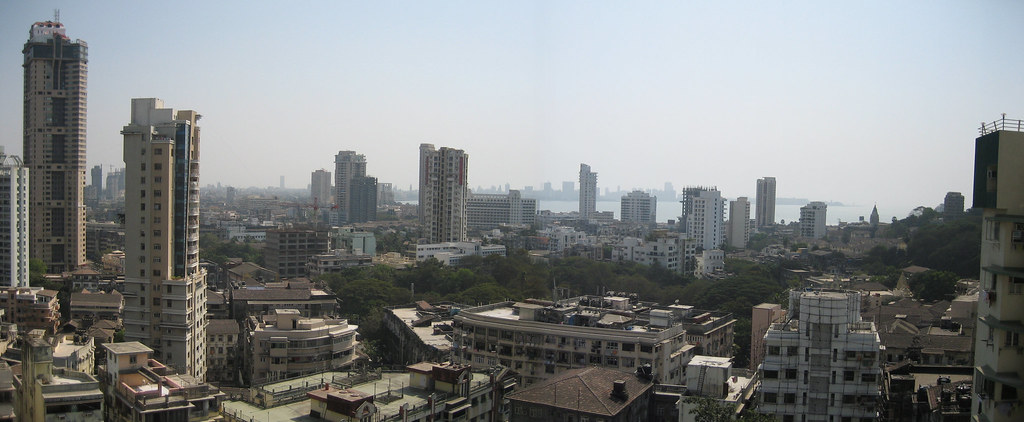
Mumbai is India’s financial powerhouse and the home of Bollywood. It is a city of staggering contrasts, where Victorian Gothic architecture sits alongside gleaming skyscrapers. A stay at the Taj Mahal Palace, Mumbai is non-negotiable for the luxury traveller. This iconic hotel was the first in India to have electricity and has hosted everyone from royalty to rock stars.
Ask our concierge to arrange a "Mumbai by Dawn" tour. Watching the city wake up—from the bustling flower markets to the newspaper sorters and the milkmen—is a masterclass in urban logistics. For dinner, Masala Library by Jiggs Kalra offers a molecular gastronomy take on Indian classics, proving that the country’s culinary scene is as forward-thinking as its economy.
Shimla: The Summer Capital of the Raj
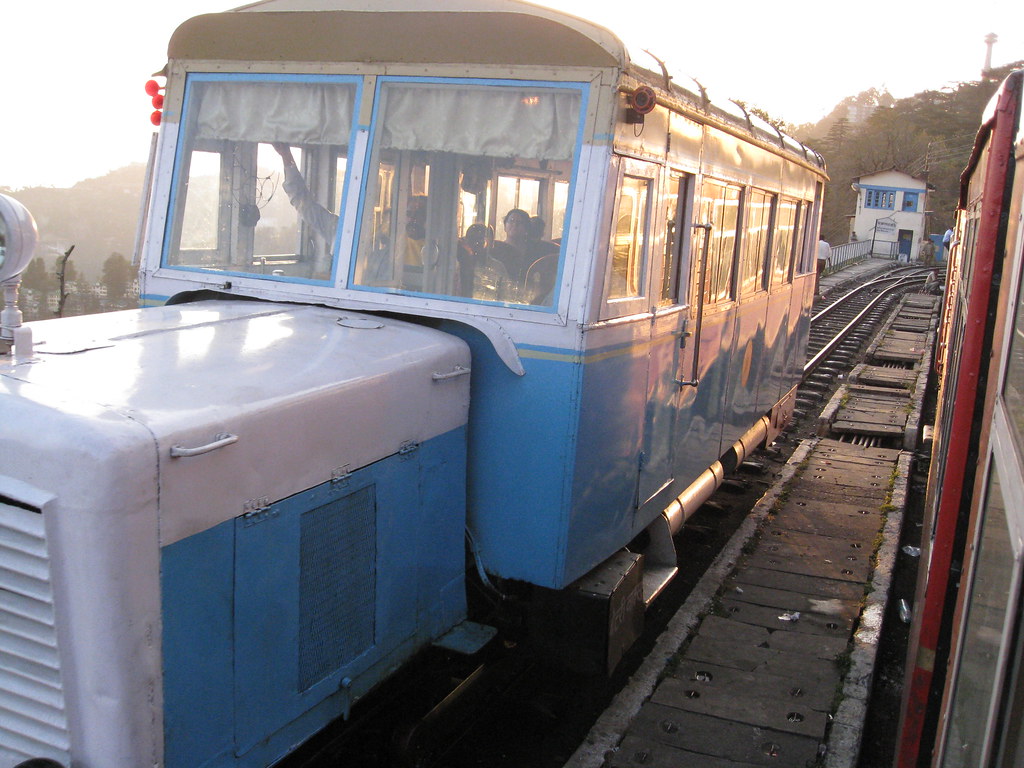
When the heat of the plains became unbearable for the British administration, they decamped to Shimla. Today, this hill station retains a quaint, quintessentially British charm, complete with a pedestrianised Mall Road and a mock-Tudor library.
The Oberoi Cecil, a heritage hotel with over a century of history, is the best place to soak in the nostalgia. For a more secluded retreat, Wildflower Hall, An Oberoi Resort, sits at 8,250 feet above sea level. Its outdoor heated whirlpool overlooks cedar forests and snow-capped peaks. The "Toy Train" journey from Kalka to Shimla, a UNESCO World Heritage site, is a whimsical way to arrive, winding through 103 tunnels and over 800 bridges.
India’s Culinary Landscape: A Feast for the Senses
Indian cuisine is far from the "curry" monolith often perceived in the West. It is a patchwork of regional specialities. In the north, rich, cream-based gravies and tandoori meats dominate; in the south, the coconut, mustard seed, and tamarind take centre stage.
The Travel Co. can arrange private cooking classes with local chefs in their own homes, or "food walks" through the hidden alleys of Lucknow, the city of Nawabs, famous for its melt-in-the-mouth Tunday Kababs. For the wine connoisseur, the Sula Vineyards in Nashik are producing award-winning Chenin Blancs and dindori shiraz, marking India’s emergence onto the global viticulture map.
Shopping and Craftsmanship
India is a treasure trove for those with an eye for craftsmanship. From the pashminas of Kashmir to the blue pottery of Jaipur and the silks of Kanchipuram, the quality of handmade goods is extraordinary.
Avoid the tourist traps frequently promoted on budget itinerary sites. We provide our clients with a curated list of "by appointment only" ateliers. In Jaipur, Gem Palace has served royalty for generations and is the place for high-end jewellery. In Delhi, boutiques like Raw Mango and Good Earth offer contemporary takes on traditional textiles and home decor. Shipping can be arranged directly to your home in the UK, ensuring your treasures arrive safely.
Practicalities: When to Go and How to Travel
The best time to visit most of India is between October and March, when the weather is dry and pleasantly cool. April and May can be searingly hot, leading into the monsoon season from June to September. However, the monsoon has its own charm, especially in Kerala, where the landscapes turn a neon shade of green and Ayurvedic treatments are said to be most effective.
Navigating India requires patience and expertise. Internal flights are efficient, but the "real" India is often seen from the window of a private car or a luxury train like the Maharajas' Express. While you can piece together an itinerary using Skyscanner for flights and various apps for cars, the lack of a cohesive support system can be taxing. Our bespoke service ensures a seamless transition between every city, hotel, and experience.
The Art of Slow Travel in the Subcontinent
In a world of "bucket lists" and rapid-fire tourism, India rewards those who slow down. Instead of trying to see the entire country in two weeks, we recommend focusing on one or two regions. Spend four nights in Udaipur rather than two; take the day to walk through a spice plantation in Coorg; sit with a monk in a monastery in Sikkim.
Luxury in India is not just about the thread count of the sheets or the gold leaf on the ceiling; it is about the generosity of spirit you encounter at every turn. It is the "Namaste" from a village elder and the meticulous care of a palace butler who remembers exactly how you take your tea.
Your Tailor-Made Indian Odyssey
India is a complex, beautiful, and sometimes overwhelming tapestry. To truly unpick its threads and appreciate its beauty, you need more than just a hotel booking; you need a curated narrative. At The Travel Co., we don't believe in "off-the-shelf" holidays. We spend time getting to know your preferences, your pace, and your passions to craft an itinerary that is uniquely yours.
Whether you are planning a milestone anniversary, a multi-generational family adventure, or a solo spiritual retreat, our deep-rooted connections across the subcontinent ensure you receive the very best service and exclusive access. For a holiday that transcends the ordinary, contact our specialist team today to begin planning your bespoke journey through the magnificent landscapes of India.
Ready to explore the Golden Triangle, the wilds of Rajasthan, or the serenity of Kerala? Contact The Travel Co. today for a bespoke luxury quote and let our experts craft your perfect Indian escape.
Inspired?
Plan a trip like this
Our specialists craft every itinerary from scratch — ATOL & ABTA protected, with 24/7 in-trip support.
Enquire Now