
The Journal
Hidden Caribbean Islands: Beyond Barbados and Antigua
Discover the quiet charm of Anguilla, the exclusivity of Mustique, and the rugged beauty of Saba.
The allure of the Caribbean often conjures images of the sprawling resorts of Barbados or the yacht-filled harbours of Antigua. While these destinations have earned their reputations for good reason, a growing collective of sophisticated travellers is seeking something more profound: silence, space, and a sense of discovery. As the mainstream islands become increasingly saturated, the discerning eye turns toward the smaller specks on the nautical chart—islands where the pace of life remains dictated by the tides rather than the cruise ship schedules.
The Travel Co. specialises in curating journeys to these less crowded Caribbean outposts, providing access to corners of the archipelago that remain largely untouched by mass tourism. This is the Caribbean of the mid-20th century, reimagined with contemporary luxury. It is a world of private villa estates on Mustique, world-class diving in the marine parks of Saba, and the understated elegance of Anguilla’s culinary scene. To move beyond the well-trodden path is to rediscover the raw, elemental beauty of the West Indies.
In this comprehensive guide, we explore the islands that offer a sanctuary from the everyday. Whether arriving by private charter from St Maarten or a ferry from St Vincent, the transition into these environments is immediate. The air feels lighter, the water clearer, and the hospitality more personal. These are the locations where "luxury" is defined by privacy and authenticity rather than gold-plated excess.
The Sophisticated Serenity of Anguilla
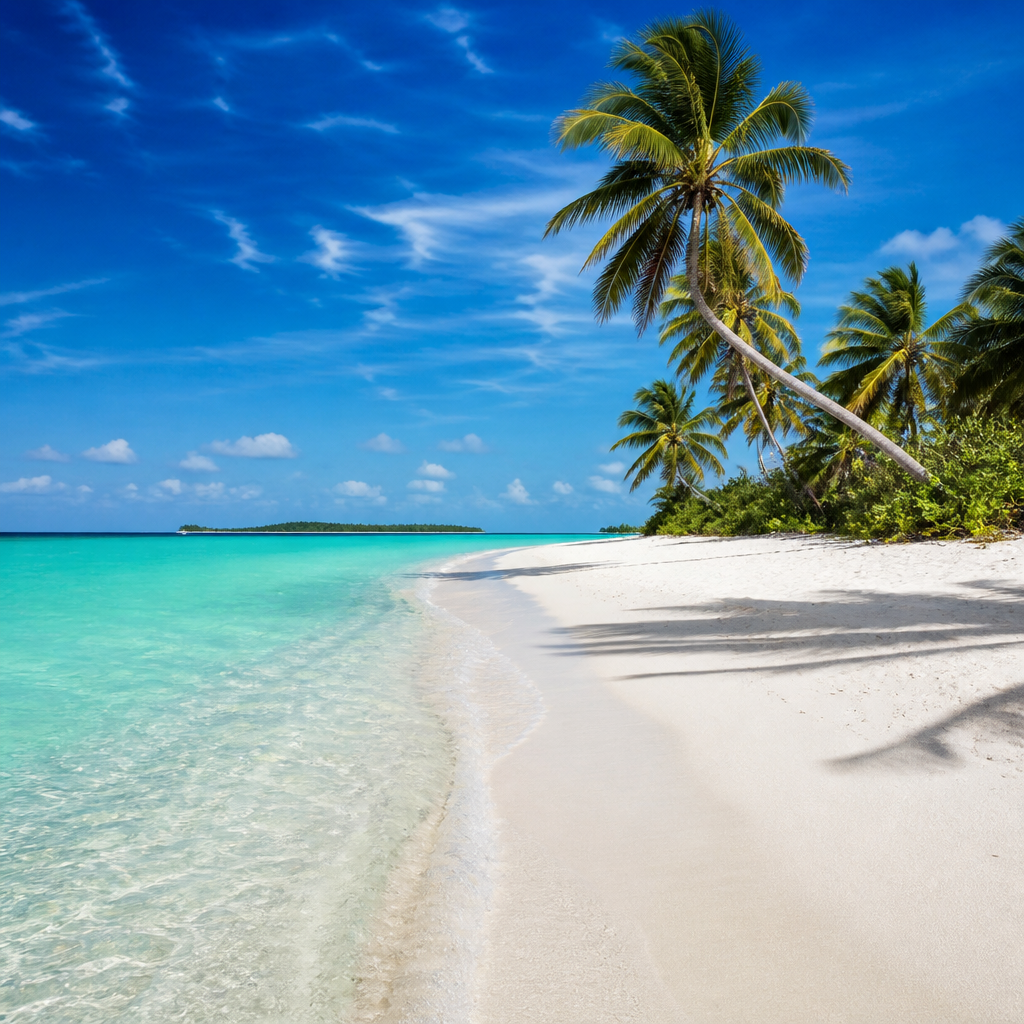
Anguilla has long been the choice for those who find St Barts a touch too performative. This flat, limestone island is home to thirty-three powder-white beaches, each more pristine than the last. Unlike its volcanic neighbours, Anguilla lacks the dramatic peaks of the Pitons, but it compensates with an unparalleled coastal aesthetics. The water here possesses a luminosity that is difficult to replicate elsewhere in the region, ranging from Pale Mint to deep cobalt.
Anguilla luxury is defined by its boutique scale. The island has resisted the urge to build high-rise monstrosities, opting instead for low-slung, architectural masterpieces that blend into the scrubland and shoreline. Locations such as Meads Bay and Shoal Bay East consistently rank among the finest beaches globally, yet they rarely feel congested. For the traveller seeking a less crowded Caribbean experience, Anguilla offers the perfect balance of high-end infrastructure and island soul.
The culinary landscape here is equally impressive. Known as the culinary capital of the Caribbean, Anguilla hosts over 100 restaurants, ranging from roadside lobster shacks to fine-dining establishments. At Veya, diners can experience "cuisine of the sun" in a lush garden setting, while Blanchard’s remains a staple for elegant beachfront dining. The Travel Co. recommends booking a table at Sharky’s for an authentic taste of local flavours, where the chef-owner brings a personal touch to every plate of blackened snapper.
The Untamed Majesty of Saba
For those who find the standard beach holiday insufficient, Saba offers a dramatic alternative. Known as the "Unspoiled Queen," this five-square-mile island is essentially a dormant volcano rising abruptly from the Caribbean Sea. There are no traditional sandy beaches here; instead, you find dramatic cliffs, lush rainforests, and some of the most vibrant coral reefs in the world.
Reaching Saba is an adventure in itself. Most visitors arrive via a 12-minute flight from St Maarten, landing on the world’s shortest commercial runway—a thrill that sets the tone for the rest of the trip. Alternatively, a ferry crossing offers views of the island’s sheer verticality as it looms out of the mist. Once on the ground, life centres around the four main villages: The Bottom, Windwardside, Hell’s Gate, and St. John’s. Each is characterised by white-painted cottages with red roofs and green shutters, a charming aesthetic that is strictly preserved by local law.
Saba is a premier destination for hiking and diving. The "Ladder" hike, a series of 800 stone steps once used to haul supplies from the shore, provides a strenuous but rewarding historical perspective. Underwater, the Saba Marine Park protects the island’s pinnacle dive sites, where submerged volcanic towers attract schools of reef sharks, turtles, and colourful sponges. It is a place of quiet contemplation and physical exertion, far removed from the cocktail-and-cabana culture of the larger islands.
Bequia: The Old Caribbean Charm
Part of the Grenadines, Bequia (pronounced 'beck-way') is an island that seems to have frozen in time. Only seven square miles in size, it retains a strong maritime heritage rooted in boat building and whaling. The main hub, Port Elizabeth, sits on the edge of Admiralty Bay, one of the most beautiful natural harbours in the Caribbean. Here, colourful wooden houses line the waterfront, and the "Belmont Walkway" allows for a scenic stroll between bars and boutiques.
Bequia attracts a specific type of traveller: the "yachtie" seeking a laid-back atmosphere and the connoisseur of quiet luxury. There are no direct international flights, which acts as a natural filter for crowds. Visitors typically fly into Barbados or St Lucia before taking a puddle-jumper to the island’s small airstrip. This journey is part of the appeal, reinforcing the sense of remoteness.
Princess Margaret Beach, named after the royal who visited in the 1950s, is a crescent of golden sand backed by cedar trees. It remains largely undeveloped, save for Jack’s Bar, where one can spend an afternoon with a rum punch in hand, watching the yachts bob in the turquoise water. For a more secluded experience, Lower Bay offers calm waters perfect for snorkelling. Bequia is not about being seen; it is about the simple pleasures of a warm breeze, a fresh catch, and a horizon uninterrupted by cruise ships.
Mustique: The Ultimate Private Enclave
If Bequia is the soulful heart of the Grenadines, Mustique is its most polished gem. This private island has long been a sanctuary for royalty, rock stars, and captains of industry. Managed by the Mustique Company, the island operates as a private estate where privacy is the ultimate currency. There are no street lights, no traffic lights, and no signage; instead, there is an atmosphere of curated wilderness.
Mustique villas are the primary draw here. Unlike hotels, these private estates offer a level of bespoke service that is difficult to match. Each villa comes with its own staff, including a chef, butler, and housekeeper, allowing guests to dictate the rhythm of their stay. From the legendary "Les Jolies Eaux"—the former home of Princess Margaret—to contemporary architectural marvels perched on the hillsides, the accommodation is as varied as it is opulent.
Social life on Mustique revolves around Basil’s Bar and the Cotton House. Basil’s, a legendary over-water shack in Britannia Bay, has hosted everyone from Mick Jagger to the Prince of Wales. Despite its high-profile clientele, the dress code remains 'barefoot chic'. The island’s beaches, such as Macaroni Beach on the Atlantic side, are rugged and wild, providing a dramatic contrast to the manicured lawns of the estates. The Travel Co. can facilitate private air charters to Mustique, ensuring a seamless transition from the international hubs of the region to this exclusive hideaway.
The Ecological Wonders of Dominica
Often confused with the Dominican Republic, the Commonwealth of Dominica is a world apart. Known as the "Nature Island," it is the most mountainous of the Lesser Antilles, covered in thick, primary rainforest and crisscrossed by 365 rivers. This is not a destination for those seeking white-sand beaches; rather, it is for the adventurer, the naturalist, and the seeker of wellness.
Dominica’s interior is a playground for outdoor enthusiasts. The Waitukubuli National Trail, the longest hiking trail in the Caribbean, spans the length of the island, taking hikers through volcanic craters, past hidden waterfalls, and into the heart of the Kalinago Territory. The Boiling Lake—the world’s second-largest flooded fumarole—is a challenging but iconic trek for those with a high level of fitness.
The island’s luxury offering has evolved significantly in recent years. Secret Bay, an all-villa resort perched on a cliffside, offers an immersive nature experience without sacrificing comfort. Each villa features a private plunge pool and a dedicated 'villa host' to arrange everything from canyoning trips to whale-watching excursions. Dominica is one of the few places in the world where sperm whales can be seen year-round, making it a bucket-list destination for marine life enthusiasts.
St Kitts and Nevis: A Tale of Two Islands
The twin-island federation of St Kitts and Nevis offers a fascinating contrast. St Kitts is the larger, more developed brother, with its impressive Brimstone Hill Fortress and the scenic railway that winds through former sugar plantations. However, for those seeking the quintessential hidden Caribbean island experience, Nevis is the star of the show.
Nevis is dominated by the majestic Nevis Peak, a 3,232-foot volcano often shrouded in clouds. The island is circular, with a single main road that rings the base of the mountain. There is an understated elegance to Nevis, perhaps best exemplified by its collection of heritage plantation inns. These historic estates, such as Montpelier Plantation & Beach, have been converted into boutique hotels that offer a glimpse into the island’s colonial past.
Four Seasons Resort Nevis remains the island’s flagship property, offering a more traditional luxury experience with a world-class golf course and beach club. Yet, even here, the pace is slow. You are as likely to see a green vervet monkey crossing the road as you are another tourist. The local food scene is vibrant, with 'Sunshines' on Pinney’s Beach being a mandatory stop for their famous 'Killer Bee' rum punch. The Travel Co. recommends a twin-centre stay, allowing you to experience the historic grandeur of St Kitts before retreating to the tranquil shores of Nevis.
The Remote Allure of the Culebra and Vieques
Located between Puerto Rico and the US Virgin Islands, the "Spanish Virgin Islands" of Culebra and Vieques remain remarkably under the radar for British travellers. Culebra is home to Flamenco Beach, often cited as one of the best in the world due to its horseshoe shape and crystal-clear water. The island is small, with a resident population of just a few thousand, and lacks the large-scale resort developments found elsewhere.
Vieques, slightly larger, is famous for its bioluminescent bay—Mosquito Bay. On a moonless night, the water glows with a surreal neon blue light, caused by millions of micro-organisms. It is widely considered the brightest bioluminescent bay in the world. Much of Vieques was formerly used as a US Navy training ground, which ironically preserved large swathes of the island from development. Today, these areas are national wildlife refuges, home to wild horses that roam the beaches and forests.
For accommodation, Vieques offers several high-end guesthouses and the minimalist El Blok hotel. Culebra is more about simple, comfortable rentals and small inns. Both islands provide a sense of isolation that is hard to find in the more commercialised Virgin Islands. They are best reached via a short flight or ferry from San Juan, making them an excellent extension to a Puerto Rican itinerary.
Luxury Planning with The Travel Co.
Navigating the logistics of hidden Caribbean islands requires expertise. Many of these destinations involve multiple transfers, private charters, or complex ferry schedules. The Travel Co. takes the stress out of this process, leveraging our deep connections within the region to ensure every leg of the journey is seamless. From securing the most coveted Mustique villas during the festive season to arranging private guided hikes in the Dominican rainforest, our bespoke service is tailored to the individual.
As an ATOL and ABTA protected agency, we provide the security and peace of mind necessary when booking high-value international travel. We understand that our clients aren't just looking for a holiday; they are looking for an experience that resonates. Whether that is a multi-generational family gathering in Anguilla or a romantic, off-grid escape in Saba, we handle the details so you can focus on the destination.
Why Choose Less Crowded Islands?
The benefits of choosing a less crowded Caribbean destination extend beyond simple privacy. These islands often have:
- Rich Biodiversity: Less development means more intact ecosystems, both on land and underwater.
- Authentic Culture: Without the pressure of mass tourism, local traditions and hospitality remain genuine.
- Unique Architecture: From gingerbread cottages to modernist villas, the aesthetic is often more diverse.
- Personalised Service: In smaller boutique properties, staff often remember your name and preferences.
The Best Time to Visit the Hidden Caribbean
When planning your escape to these hidden Caribbean islands, timing is everything. The peak season traditionally runs from December to April, when the weather is at its driest and most temperate. This is the period of the "Christmas Winds," which provide a refreshing breeze and ideal sailing conditions. However, this is also when prices are at their highest and availability is most limited.
The shoulder seasons—May to June and November—offer excellent value. During these months, the islands are even quieter, and while there may be a higher chance of a tropical shower, the temperatures remain warm. The hurricane season officially runs from June to November, with the peak activity usually occurring in August and September. While many of the southern islands like the Grenadines are technically outside the primary hurricane belt, it is always advisable to travel with comprehensive insurance.
For those interested in specific events, the Anguilla Summer Festival in August is a vibrant celebration of boat racing and Caribbean culture. Meanwhile, Mustique’s Blues Festival in January and February brings world-class musicians to the intimate setting of Basil’s Bar. Whatever your preference, The Travel Co. can advise on the best window for your specific interests.
Culinary Journeys Across the Archipelago
Food is an integral part of the Caribbean experience, and the hidden islands offer some of the most exciting culinary discoveries. In Anguilla, the focus is on high-end international fusion and fresh seafood. The crayfish here—smaller and sweeter than traditional lobster—is a local delicacy not to be missed.
In the Grenadines, the "Cook-up" is a cultural staple—a one-pot dish of rice, peas, meat, and coconut milk, often shared among friends on the beach. On Saba, the focus is on "Saba Lobster," which is caught sustainably in the deep waters surrounding the island. The restaurants in Windwardside often feature these in traditional Dutch-Caribbean recipes.
A Comparison of Hidden Island Vibes
| Island | Best For | Vibe | Primary Activity | | :--- | :--- | :--- | :--- | | Anguilla | Beaches & Dining | Sophisticated / Chic | Sunbathing & Eating | | Saba | Diving & Hiking | Rugged / Authentic | Scuba Diving | | Mustique | Privacy & Status | Exclusive / Social | Villa Living | | Bequia | Sailing & Relaxing | Traditional / Bohemian | Yacht Watching | | Dominica | Adventure & Eco | Wild / Lush | Rainforest Trekking |
Sustainable Travel in the Caribbean
As these hidden gems become more popular, the importance of sustainable travel cannot be overstated. Many of these islands are leading the way in environmental conservation. Saba’s marine park was one of the first of its kind in the world, and Dominica is aiming to become the world’s first climate-resilient nation.
The Travel Co. encourages guests to support local businesses, participate in coral restoration projects where available, and respect the fragile ecosystems of these islands. Choosing smaller, locally-owned boutique hotels over large international chains ensures that your travel spend stays within the local community, supporting the very culture you have come to enjoy.
FAQ: Navigating the Hidden Caribbean
Q: How do I get to Mustique or Bequia? A: Most guests fly into Barbados (BGI) or St Lucia (UVF) and then take a scheduled or private charter flight via SVG Air or Mustique Airways. The flight from Barbados to Mustique takes approximately 45 minutes.
Q: Is Anguilla safe for families? A: Anguilla is considered one of the safest islands in the Caribbean. Its calm waters and family-friendly villas make it an excellent choice for those travelling with children. Most resorts offer comprehensive kids' clubs and nanny services.
Q: Do I need a car on these islands? A: On Anguilla and Nevis, a rental car is highly recommended to explore the various beaches and restaurants. On Saba and Mustique, taxis or "mules" (electric golf carts) are the preferred mode of transport due to the narrow or private roads.
Q: Are these islands significantly more expensive than Barbados? A: While the entry price for luxury can be higher due to the boutique nature of the accommodation and the cost of inter-island flights, the value found in privacy and exclusivity is unparalleled. The Travel Co. can tailor itineraries to various luxury budgets.
Member Hotels: Our Curated Collection
To help you begin your journey, we have curated a list of the finest properties across these hidden islands. These hotels and resorts represent the pinnacle of Caribbean hospitality:
- Cap Juluca, A Belmond Hotel (Anguilla): Reopened with stunning Moroccan-inspired architecture on Maundays Bay.
- Malliouhana (Anguilla): A glamorous hilltop resort with a storied history and vibrant interiors.
- Four Seasons Resort Nevis (Nevis): Classic luxury with an exceptional spa and beachfront location.
- The Cotton House (Mustique): The social hub of the island, offering elegant rooms and cottages.
- Secret Bay (Dominica): An eco-luxury retreat consisting of secluded, high-tech villas.
- Bequia Beach Hotel (Bequia): A family-owned gem that captures the 'vintage' Caribbean aesthetic.
- Montpelier Plantation & Beach (Nevis): A Relais & Châteaux property set in a historic sugar mill.
- Zemi Beach House (Anguilla): A modern resort on Shoal Bay East with an incredible Thai-inspired spa.
- Queen’s Gardens Resort (Saba): Nestled in the mountains with views over the Caribbean Sea.
- Firefly Mustique (Mustique): An intimate boutique hotel known for its legendary bar and panoramic views.
- Aurora Anguilla Resort & Golf Club (Anguilla): Offering the island’s only golf course and extensive wellness facilities.
- Hermitage Plantation Inn (Nevis): One of the oldest wooden houses in the Caribbean, full of character.
- Jungle Bay (Dominica): An adventure-focused wellness resort overlooking Scotts Head.
- Pink Sands Air (Bequia): Offering luxury villa rentals for those seeking more independence.
- Altamer (Anguilla): Providing palatial villa living for large groups or families.
Plan your trip with The Travel Co.
The hidden Caribbean is waiting for those willing to look beyond the brochures. At The Travel Co., we pride ourselves on our intimate knowledge of these islands and our ability to create seamless, multi-stop itineraries that capture the true spirit of the West Indies. Whether you are looking for the absolute privacy of Mustique villas or the culinary delights of Anguilla luxury, our consultants are ready to design your perfect escape. Contact us today to begin planning your bespoke Caribbean journey, backed by the security of our ABTA and ATOL protection.
Inspired?
Plan a trip like this
Our specialists craft every itinerary from scratch — ATOL & ABTA protected, with 24/7 in-trip support.
Enquire Now