The Journal
Safari Planning FAQ: Expert Guide to Africa’s Best Wilderness
A comprehensive guide to timing, destinations, and investment for the ultimate bespoke African safari experience.
Embarking on an African expedition is a transformative rite of passage, yet the logistical complexity of the continent often proves daunting for the uninitiated. Planning a safari requires navigating a labyrinth of seasonal weather patterns, migratory movements, and diverse ecosystems that span from the arid dunes of Namibia to the lush waterways of the Okavango Delta. For the discerning traveller, the goal is not merely to see the 'Big Five', but to experience the wilderness in a way that is intimate, sustainable, and meticulously curated.
The Travel Co. specialises in deconstructing these complexities, ensuring that every itinerary is calibrated to the specific desires of the guest. Whether the priority is a multi-generational family adventure or a secluded romantic retreat, understanding the fundamental pillars of safari planning is the first step toward a seamless journey. This guide addresses the most pressing questions regarding timing, geography, and financial investment, providing the clarity needed to turn an ambitious vision into a tangible reality.
A successful safari is built on the foundation of expert knowledge and local insight. From the private concessions of the Greater Kruger to the remote reaches of the Selous, the nuances of each destination dictate the rhythm of the trip. By aligning travel dates with ecological events—such as the Great Migration or the green season births—one can ensure an experience that is both visually spectacular and emotionally resonant.
When to Go on Safari: Understanding the Seasons

The most frequent question in any safari planning FAQ is regarding timing. Africa does not adhere to the traditional four seasons of the northern hemisphere; instead, it is defined by the Dry Season and the Wet (or Green) Season. For most first-time visitors, the Dry Season is considered the optimal window. In East Africa (Kenya and Tanzania), this typically runs from June to October. During these months, vegetation thins out, making it easier to spot predators, and wildlife congregates around dwindling water sources, leading to high-density sightings.
In Southern Africa (South Africa, Botswana, Zimbabwe, and Zambia), the Dry Season coincides with the southern winter, from May to October. While mornings can be surprisingly chilly, often requiring heavy layers and gloves for early starts, the daytime temperatures are pleasant. The lack of rain ensures that the bush is less dense, and the risk of malaria is significantly lower during these cooler months.
However, the 'Green Season' (November to April) should not be overlooked. This period brings afternoon thundershowers that transform the landscape into a vibrant emerald hue. It is the time of year for birdwatching, as migratory species arrive in their thousands, and for witnessing the 'baby boom', where many herbivores give birth. Prices during the Green Season are often 30-40% lower than peak periods, offering exceptional value at world-class lodges like Singita or Londolozi.
Determining Your Safari Cost: What to Expect
A luxury safari is a significant investment, reflecting the remoteness of the locations and the high level of service required to maintain them. When calculating a safari cost, one must consider that most high-end lodges are all-inclusive. This typically covers luxury accommodation, all gourmet meals, premium alcoholic beverages, twice-daily game drives in open-topped vehicles, and often additional activities like guided bush walks or sundowners.
For a mid-range luxury experience, guests should budget between £600 and £900 per person, per night. At this level, you can expect stylish tented camps or lodges with excellent guiding and comfortable amenities. For those seeking the pinnacle of African hospitality—properties such as Cheetah Plains in the Sabi Sands or Mombo Camp in the Okavango Delta—prices frequently exceed £2,000 to £3,500 per person, per night.
Beyond the lodge rates, budget for internal regional flights. Many of Africa’s best reserves are inaccessible by road, requiring light aircraft transfers. A typical bush plane flight between camps might cost between £250 and £500 per leg. Conservation fees and park entrance fees are also essential considerations; these are often charged per person, per day, and contribute directly to the protection of the ecosystems you are visiting. The Travel Co. provides fully transparent quotes that encompass all these variables, ensuring no hidden surprises upon arrival.
Choosing the Best Safari for Families
Designing the best safari for families requires a different approach than an adult-only trip. Safety, malaria risk, and age restrictions are the primary concerns. For families with younger children, South Africa is often the premier choice. The Eastern Cape and parts of the Madikwe Game Reserve are malaria-free, removing the need for prophylactic medication. Lodges like Kwandwe Ecca Lodge or Madikwe Safari Lodge offer dedicated children’s programmes, known as 'Cub Clubs', which teach tracking, bird identification, and traditional crafts.
For families with teenagers, the adventure can be more active. Zambia and Zimbabwe offer walking safaris and canoeing on the Zambezi River, which provide a thrilling alternative to traditional vehicle-based game viewing. In East Africa, many families opt for the Masai Mara, where the sheer volume of wildlife keeps even the shortest attention spans engaged.
It is important to note that many luxury lodges have a minimum age requirement, often 6 or 12 years old. However, several properties offer 'sole-use' villas or safari houses. Booking a private villa, such as the Zarafa Dhow Suite in Botswana or Laragai House in Kenya, allows families to have a private vehicle and guide, providing the flexibility to return to camp early if the children become tired or to spend three hours watching a single pride of lions without worrying about other guests.
The Geography of Safari: East vs Southern Africa
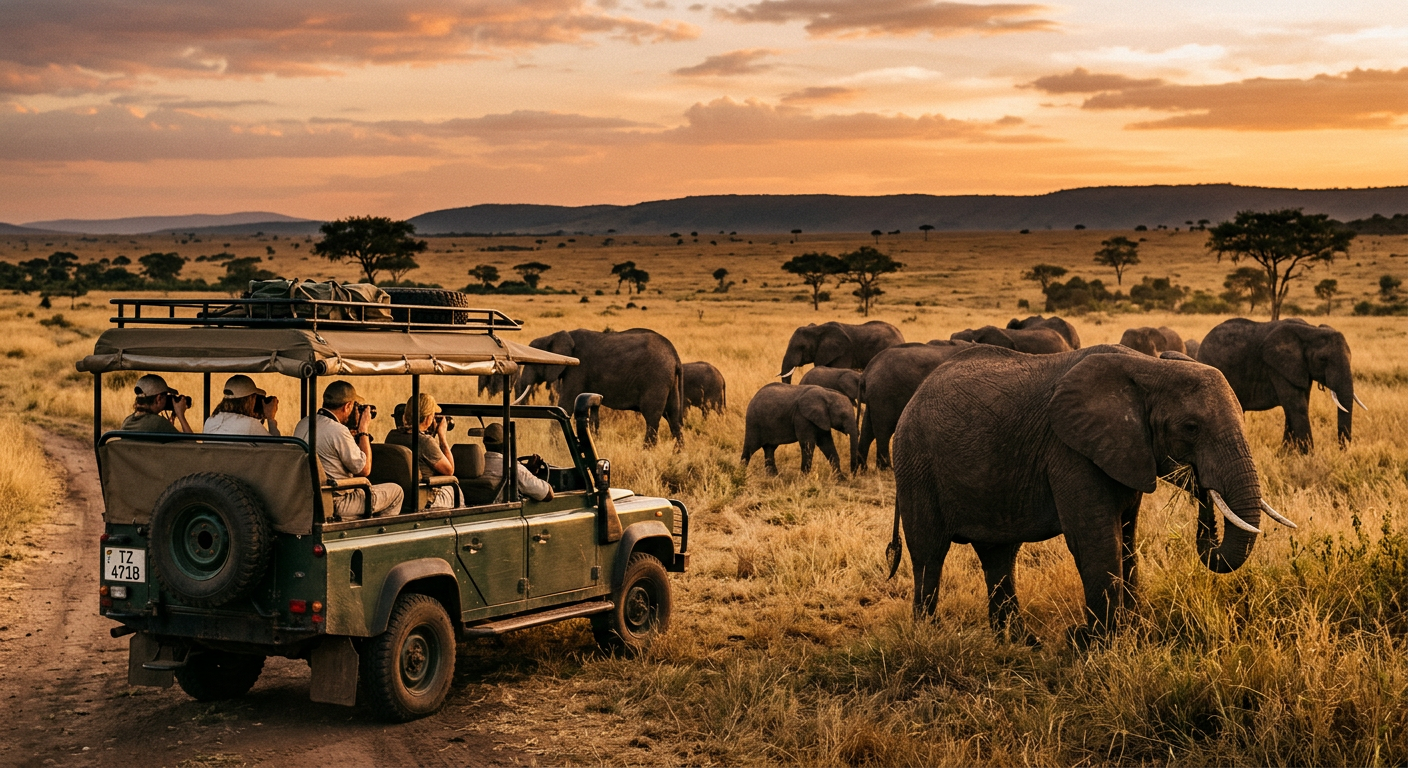
A major component of safari planning is deciding between the vast plains of East Africa and the diverse landscapes of Southern Africa. Both offer world-class wildlife, but the 'feel' of the safari differs.
East Africa (Kenya & Tanzania)
This is the Africa of 'Out of Africa'—vast, rolling savannahs dotted with acacia trees. It is the stage for the Great Wildebeest Migration, a year-round circular movement of over 1.5 million animals.
- Landscape: Iconic open plains and volcanic craters.
- Wildlife: Unrivalled predator-prey interaction and high concentrations of big cats.
- Style: Often involves 'circuit' travel where you might stay in several different regions to see the variety of landscapes (e.g., Amboseli, Lewa, and the Mara).
Southern Africa (Botswana, South Africa, Namibia, Zimbabwe)
The experience here is often more varied in terms of terrain. You might move from the water-based channels of the Okavango Delta to the desert landscapes of the Kalahari or the dramatic mountains of the Greater Kruger.
- Landscape: Delta wetlands, desert dunes, and dense bushveld.
- Wildlife: Excellent for the Big Five, particularly leopard and rhino. Botswana is the best place in the world for large elephant herds.
- Style: Often more focused on 'fly-in' safaris to remote, private concessions where off-roading and night drives are permitted.
What to Pack for Safari: The Essential Checklist
Packing for a safari is an exercise in restraint. Because of the weight restrictions on light aircraft (usually 15kg to 20kg in soft-sided bags), every item must earn its place. The golden rule is 'layers'. Temperatures can fluctuate by 20 degrees Celsius between a pre-dawn game drive and a midday lunch on the deck.
- Clothing: Neutral colours are essential—khaki, olive, tan, and grey. Avoid white (it gets dirty instantly), black and dark blue (they attract tsetse flies), and camouflage patterns (which are reserved for military personnel in many African countries and can lead to trouble at airports).
- Footwear: You do not need heavy hiking boots unless you are doing a dedicated walking safari. A pair of comfortable trainers or sturdy walking shoes is sufficient. Flip-flops or sandals are great for wearing around the lodge.
- Tech: A good pair of binoculars is more important than a long camera lens. We recommend 8x42 magnification. Don't forget a universal travel adapter and a portable power bank.
- Protection: High SPF sunblock, a wide-brimmed hat with a chin strap (to prevent it from blowing off in the wind), and insect repellent containing DEET.
| Item Category | Recommended Items | Why? | | :--- | :--- | :--- | | Clothing | Zip-off trousers, linen shirts, lightweight fleece | Adaptability to changing temperatures. | | Outwear | Windbreaker or light down jacket | Essential for wind chill on moving vehicles. | | Accessories | Polarised sunglasses, cotton scarf | Protects against glare and dust. | | Health | Personal first aid kit, prescription meds | Remote locations mean pharmacies are far away. |
The Great Migration: Timing Your Visit
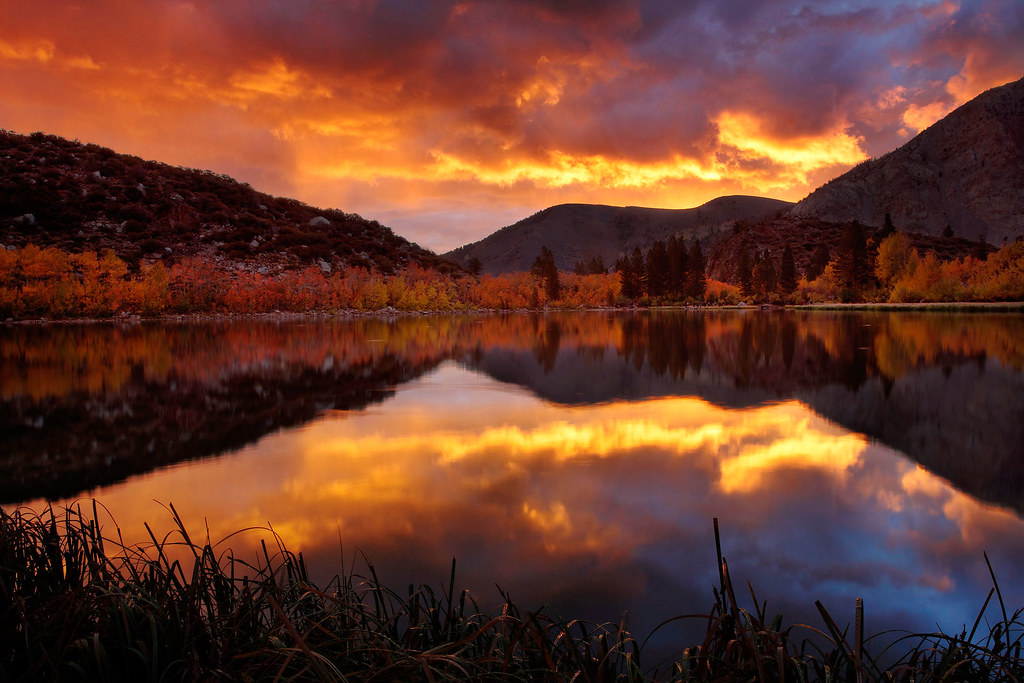
The Great Migration is not a single event but a continuous cycle. Understanding where the herds are at any given time is the most critical part of safari planning for East Africa.
From January to March, the herds are in the Southern Serengeti and Ngorongoro Conservation Area for the calving season. This is a spectacular time to see thousands of wildebeest being born, attracting high levels of predator activity. In June and July, the herds move north, facing the treacherous crossings of the Grumeti and Mara Rivers. This is the 'National Geographic' moment many travellers seek, with crocodiles lying in wait for the crossing animals.
By August and September, the survivors reach Kenya's Masai Mara. They remain there until October or November when the short rains begin, prompting them to move back south toward the Serengeti. To see the migration properly, you must stay in 'mobile' camps that move with the herds, or choose permanent lodges located in the specific sector the herds occupy during your travel dates. The Travel Co. advisors use real-time data from rangers on the ground to position our guests in the heart of the action.
Private Concessions vs National Parks
One of the most important distinctions in safari planning is whether to stay within a National Park or on a Private Concession. While National Parks are magnificent, they are open to the general public, which can lead to 'crowding' at sightings. There are often strict rules: no off-roading, no night drives, and everyone must be back in camp by sunset.
Private Concessions, such as those in the Greater Kruger or the Okavango, are privately managed areas adjacent to or within the parks. They are restricted to the guests staying at the lodges within that concession. This offers several advantages:
- Off-Roading: Guides can drive off the tracks to follow a leopard into the thicket, providing a much closer and more personal encounter.
- Night Drives: You can stay out after dark with a spotlight to find nocturnal animals like honey badgers, porcupines, and bushbabies.
- Exclusivity: Sightings are usually limited to two or three vehicles at a time, ensuring a quiet, respectful atmosphere for both the guests and the animals.
- Guided Walks: Most private concessions allow for bush walks, where you can explore the smaller details of the ecosystem on foot.
Luxury Accommodations: Tents vs Lodges
The term 'tent' in the context of a luxury safari is often a misnomer. These are typically permanent structures with canvas walls, mahogany floors, en-suite bathrooms with copper bathtubs, and private plunge pools. The choice between a tented camp and a permanent stone lodge is largely one of personal preference.
Tented camps, such as those in the Sanctuary Retreats or &Beyond portfolios, offer a more 'authentic' safari feel. The canvas walls allow the sounds of the African night—the whoop of a hyena or the distant roar of a lion—to filter through, creating a profound connection to the environment.
Permanent lodges, like the iconic Singita Boulders or Royal Malewane, often feature more robust architecture, air conditioning, and extensive spa facilities. These are ideal for those who want the wilderness experience without sacrificing the comforts of a five-star city hotel. Regardless of the structure, the level of service in these properties is world-leading, often with a staff-to-guest ratio of 3:1.
Health, Safety, and Logistics
Safety is a paramount concern for anyone looking at a safari planning FAQ. Generally, safari destinations are very safe, provided you follow the instructions of your guides and lodge staff. Most lodges are unfenced, meaning wildlife can and does wander through the grounds. You will always be escorted by an armed ranger or a 'Maasai askari' after dark.
In terms of health, most safari regions in East and Southern Africa are malaria zones. It is essential to consult a travel clinic at least eight weeks before departure to discuss prophylaxis. Furthermore, some countries, like Tanzania, require proof of Yellow Fever vaccination if you are arriving from a country where the disease is endemic.
Logistically, Africa is a complex continent to navigate. Flight schedules can change, and weather can affect bush landings. This is where the value of a bespoke agency like The Travel Co. becomes apparent. We manage the entire chain of logistics, from your international flights on Emirates or Qatar Airways to the final 4x4 transfer to your lodge. Our 24/7 support ensures that if a flight is delayed, your ground transport and lodge are immediately notified and adjustments are made.
Why Botswana is the Gold Standard for Safari
For many seasoned safari-goers, Botswana represents the pinnacle of the African experience. The government’s 'low volume, high value' tourism policy has preserved the wilderness in a way few other countries have managed. The Okavango Delta, a UNESCO World Heritage site, is a vast inland oasis where the Kavango River empties into the Kalahari Desert.
A Botswana safari often involves a combination of water and land-based activities. You might spend the morning in a 'mokoro' (a traditional dugout canoe), gliding silently past reeds and lilies, and the afternoon on a game drive in the Moremi Game Reserve looking for wild dogs. The lack of fences across the country allows for massive migrations of zebra and elephants, creating a truly wild and untamed atmosphere. While Botswana is often the most expensive safari destination, the exclusivity and the pristine nature of the environment are, in our opinion, well worth the premium.
The Role of the Guide

It is often said that a guide can make or break a safari. A great guide is not just a driver; they are a biologist, a historian, a storyteller, and a master of logistics. They interpret the tracks in the sand, the alarm calls of the birds, and the scent of the wind to locate elusive wildlife.
In the luxury sector, guides undergo years of rigorous training. In Zimbabwe, for example, the professional guiding exams are among the most difficult in the world, taking up to seven years to complete. When booking through The Travel Co., we ensure our guests are placed in lodges known for the calibre of their guiding teams. Many of our preferred lodges also offer the services of a tracker, who sits on a seat on the bonnet of the vehicle, scanning the ground for 'spoor' (tracks) while the guide focuses on the terrain and guest engagement.
Safari Planning FAQ
Q: Is it safe to go on safari? A: Yes, provided you follow the rules of the lodge and the guidance of your professional ranger. You are in a wild environment, but the guides are highly trained in animal behaviour. When in a vehicle, animals generally perceive the car as a single, non-threatening object.
Q: How far in advance should I book? A: For peak season (July–September) or the festive period, we recommend booking 12 to 18 months in advance. The most sought-after lodges have only 6 to 10 suites, and they fill up very quickly.
Q: What is the best way to fly to Africa from the UK? A: British Airways offers direct flights from London to Nairobi, Johannesburg, and Cape Town. Alternatively, many guests prefer the service levels of Emirates or Qatar Airways via Dubai or Doha, which offer excellent connections to regional hubs like Maun, Victoria Falls, or Kilimanjaro.
Q: Do I need a visa for my safari? A: This depends on your nationality and the countries you are visiting. UK passport holders currently need visas for Kenya and Tanzania (which can be obtained via an e-visa portal), while South Africa and Botswana are generally visa-free for short tourist stays.
Member Hotels and Recommended Camps
To assist in your safari planning, we have curated a list of properties that consistently deliver the highest standards of luxury, conservation, and wildlife viewing.
- Singita Ebony Lodge, Sabi Sands, South Africa
- Mombo Camp, Okavango Delta, Botswana
- Angama Mara, Masai Mara, Kenya
- Royal Malewane, Greater Kruger, South Africa
- Vumbura Plains, Okavango Delta, Botswana
- Singita Sasakwa Lodge, Serengeti, Tanzania
- Londolozi Private Granite Suites, Sabi Sands, South Africa
- Cheetah Plains, Sabi Sands, South Africa
- Jack’s Camp, Makgadikgadi Pans, Botswana
- Xigera Safari Lodge, Okavango Delta, Botswana
- Segera Retreat, Laikipia, Kenya
- Gibb’s Farm, Ngorongoro, Tanzania
- Sasaab, Samburu, Kenya
- Chinzombo, South Luangwa, Zambia
- Sapi Explorers Camp, Mana Pools, Zimbabwe
- Shipwreck Lodge, Skeleton Coast, Namibia
- Tswalu Kalahari, South Africa
- One&Only Nyungwe House, Rwanda (for primate trekking)
- Bisate Lodge, Volcanoes National Park, Rwanda
- Zannier Hotels Sonop, Namibia
Plan your trip with The Travel Co.
Navigating the nuances of an African safari requires a level of expertise that goes beyond a standard booking service. At The Travel Co., we pride ourselves on our first-hand knowledge of the continent—we have slept in the beds, met the guides, and toasted the sunsets ourselves. As an ABTA and ATOL protected agency with offices in the UK and Dubai, we provide the security and peace of mind necessary when planning a significant international expedition. Whether you are dreaming of the Great Migration or a quiet corner of the Delta, our bespoke itineraries are designed to exceed every expectation. Contact our specialist consultants today to begin your journey into the heart of the wild.
Inspired?
Plan a trip like this
Our specialists craft every itinerary from scratch — ATOL & ABTA protected, with 24/7 in-trip support.
Enquire Now