
The Journal
Design Hotels: The Marriott-Backed Collection for Lovers of Architecture
A curated guide to the world’s most architecturally significant boutique hotels within the Marriott Bonvoy ecosystem.
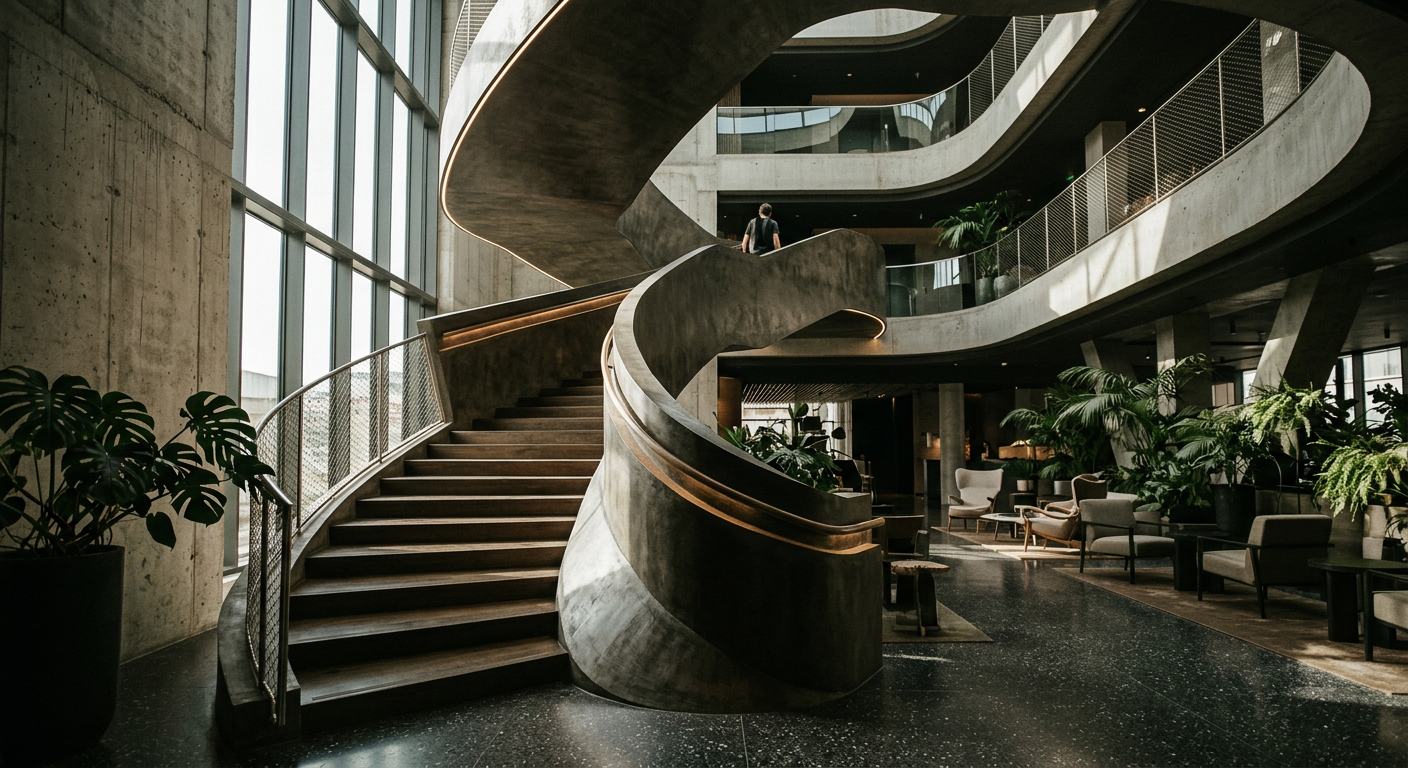
The global landscape of luxury hospitality has undergone a seismic shift over the last decade. Travellers no longer seek the predictable uniformity of traditional five-star chains; instead, there is a profound appetite for properties that tell a story through their physical form. Design Hotels represents the pinnacle of this movement, serving as a hand-picked collection of over 300 privately owned properties that prioritise aesthetic integrity, cultural authenticity, and architectural innovation.
While many of these properties operate with fierce independence, the strategic alliance between Design Hotels and Marriott International has bridged the gap between niche boutique experiences and global loyalty benefits. This partnership allows members of the Marriott Bonvoy programme to earn and redeem points at some of the most avant-garde buildings on the planet, from repurposed industrial warehouses in Shanghai to brutalist masterpieces in the Icelandic wilderness.
For the architectural enthusiast, a stay at a Design Hotels property is not merely an overnight stop; it is an immersion into a specific vision. The Travel Co. specialises in curating itineraries that link these iconic structures, ensuring that every leg of a journey is defined by world-class craftsmanship and thoughtful spatial design. Understanding what qualifies a property for this prestigious accreditation is essential for those who value form as much as function.
The Origins of a Design-Led Philosophy

The Design Hotels brand was founded in 1993 by Claus Sendlinger, initially as a platform to represent a small group of creative, independent hoteliers who felt sidelined by the standardisation of the industry. The core philosophy was simple: the hotel should be a reflection of its environment and the personality of its 'Original' (the founder or creator). This focus on the individual behind the project remains a cornerstone of the brand today.
Unlike traditional hotel brands that impose a corporate identity or a specific colour palette on their members, Design Hotels celebrates diversity. A property might qualify because of its radical use of sustainable materials, its preservation of a historic landmark, or its avant-garde interior design. The common thread is a commitment to "Made by Originals," an ethos that ensures every guest experience is unique and unrepeatable.
The Marriott Design Hotels Partnership
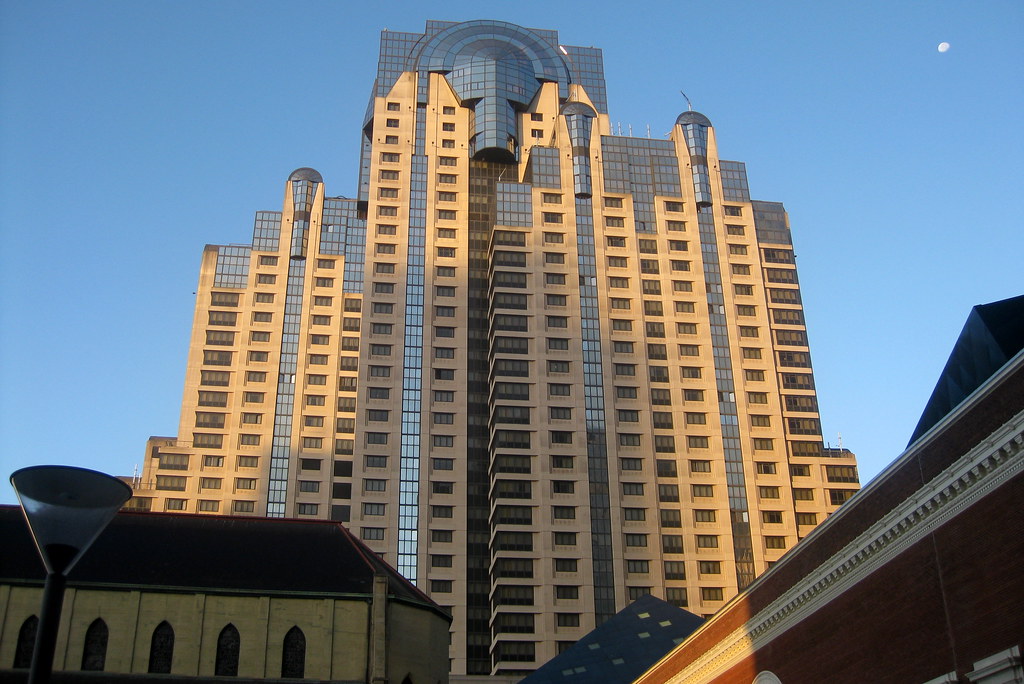
In 2011, Marriott International acquired a majority stake in Design Hotels, a move that initially caused ripples of concern among purists who feared the collection would lose its edgy, independent spirit. However, the partnership has proven to be mutually beneficial. Design Hotels operates as a distinct entity, maintaining its own rigorous selection criteria and creative autonomy, while gaining access to Marriott’s formidable distribution network.
For the savvy traveller, the primary advantage is the integration with Marriott Bonvoy. While not every Design Hotels property participates in the loyalty programme to the same extent as a St. Regis or a Ritz-Carlton, many offer points earning, redemption opportunities, and elite member benefits such as room upgrades and late check-outs. This allows architecture lovers to indulge their passion for niche design without sacrificing the logistical benefits of a global rewards system.
What Qualifies as an Architecturally Significant Hotel?
To be invited into the Design Hotels collection, a property must undergo a rigorous vetting process. It is not enough for a hotel to be stylish or expensive; it must possess a clear architectural narrative. The selection committee looks for buildings that either push the boundaries of modern construction or demonstrate an exceptional level of sensitivity in the restoration of heritage sites.
Key criteria include the innovative use of space, the integration of the building into its landscape, and the quality of the materials used. Whether it is the striking geometric facade of a new-build in Melbourne or the meticulous preservation of a 17th-century palazzo in Puglia, the architecture must serve as the primary draw for the guest. The Travel Co. often recommends these properties to clients who view travel through the lens of art and history.
The Role of the 'Original' in Hospitality
One of the most distinctive aspects of Design Hotels is the emphasis on the 'Original'. This term refers to the visionary individual—often an architect, designer, or entrepreneur—who breathed life into the hotel. This human element is what prevents these properties from feeling like cold, sterile monuments to modernism.
When you stay at a property like the Habita79 Pompeii MGallery or the Santa Clara 1728 in Lisbon, you are experiencing the personal taste and cultural heritage of the creator. This might manifest in a curated library of art books, a specific scent diffused through the lobby, or a breakfast menu sourced entirely from the founder's family farm. This deeply personal approach to hospitality is what defines the boutique design hotels sector.
Sustainable Design and Longevity

In the contemporary era, architectural significance is increasingly tied to sustainability. Design Hotels has been at the forefront of promoting eco-conscious construction methods that do not compromise on luxury. This includes the use of reclaimed materials, geothermal heating systems, and architectural designs that maximise natural light and ventilation to reduce energy consumption.
For example, the Ion Luxury Adventure Hotel in Iceland was built using prefabricated panels and sits atop a series of pillars to minimise its footprint on the delicate volcanic terrain. Such projects demonstrate that high-end design can be a vehicle for environmental stewardship. The Travel Co. prioritises these properties for clients looking to align their travel habits with their values.
Iconic Examples of Brutalist Luxury
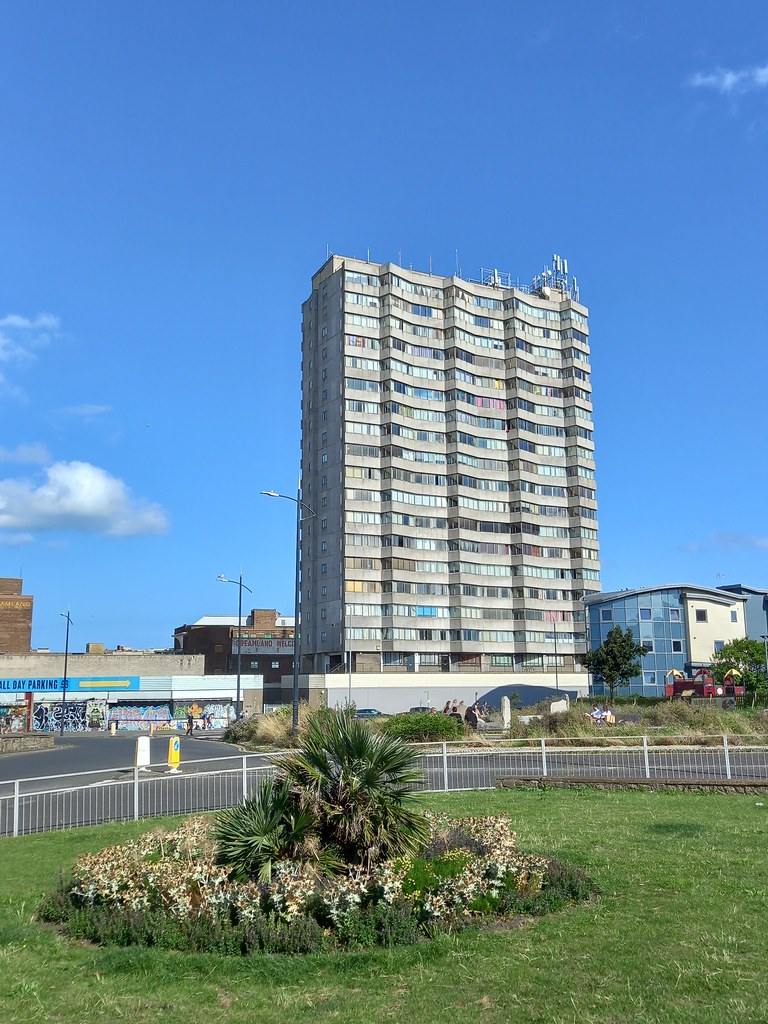
Brutalism, once a maligned architectural style, has seen a massive resurgence in the luxury hotel sector. Characterised by raw concrete, massive forms, and a sense of 'truth to materials', brutalist hotels offer a powerful, grounded experience.
- The Klaus K, Helsinki: A masterclass in integrating modern design within a historic Rake building, though its interiors lean into the mythic themes of the Kalevala.
- The Standard, London: While part of a larger brand, its location in the former Camden Town Hall Annexe is a celebratory nod to 1970s brutalism, featuring a red pill-shaped lift that ascends the exterior.
- Royal Elizabeth, Chile: A stunning example of how concrete can be used to create warmth and drama in an urban setting.
Adaptive Reuse: Breathing New Life into History
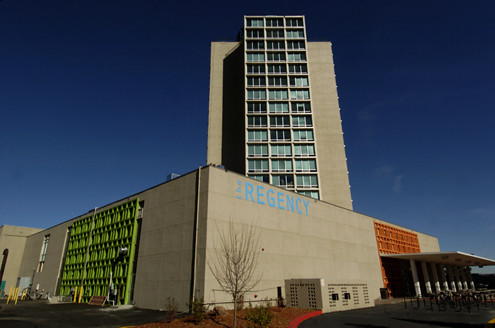
Some of the most compelling members of the Design Hotels collection are those that occupy repurposed buildings. Adaptive reuse is the process of taking a structure built for one purpose—a bank, a prison, a warehouse—and transforming it into a luxury hotel. This requires an immense amount of architectural ingenuity to maintain the character of the original building while meeting the demands of modern luxury.
In Shanghai, the The Waterhouse at South Bund is a prime example. Built within a 1930s Japanese army headquarters, the architects at Neri&Hu chose to leave the weathered concrete and peeling brickwork exposed, creating a stark, beautiful contrast with the high-end Italian furniture and contemporary art. It is this tension between the old and the new that makes architecturally significant hotels so fascinating.
Minimalist Retreats and the "Less is More" Ethos
Minimalism in hotel design is not about a lack of features, but rather the perfection of every element. It is an architectural style that demands the highest quality of materials because there is nowhere to hide flaws. Large expanses of natural stone, seamless glass-to-wall transitions, and a muted colour palette are hallmarks of this style.
Properties like Dexamenes Seaside Hotel in Greece exemplify this. Set in a converted 1920s winery directly on the beach, the hotel uses the original concrete fermentation tanks as guest rooms. The design is austere yet incredibly comfortable, stripping away the unnecessary to focus on the sound of the sea and the quality of the light.
Designing the Guest Experience
A well-designed hotel influences how a guest moves, feels, and interacts with others. Architects working on Design Hotels properties often consider the 'social choreography' of the space. This might involve:
- Open-plan lobbies that encourage spontaneous conversation.
- Lighting schemes that transition from bright, energising morning light to moody, intimate evening glows.
- Acoustic design that ensures a sense of privacy even in bustling urban environments.
Regional Design Movements: Nordic, Mediterranean, and Asian

Design Hotels offers a window into regional architectural movements. In Scandinavia, the focus is often on 'hygge' and the use of light-coloured woods and functionalism. In the Mediterranean, you will find a revival of traditional masonry, white-washed walls, and the use of 'cotto' tiles.
In Asia, the collection features properties that blend traditional craftsmanship with hyper-modern silhouettes. The Temple House in Chengdu manages to incorporate a restored Qing Dynasty courtyard into a sleek, 21st-century hotel complex. For travellers booking through The Travel Co., these regional nuances provide a deeper connection to the destination’s cultural identity.
The Intersection of Art and Architecture
Many boutique design hotels function as de facto art galleries. The architecture provides the canvas, and the interior design incorporates site-specific installations, sculptures, and paintings. This holistic approach ensures that the aesthetic experience is continuous from the moment you view the building from the street to the moment you lie down in your room.
The Hotel de Hallen in Amsterdam, located in a former tram depot, uses its vast industrial proportions to house large-scale contemporary works. The interaction between the steel beams of the industrial past and the vibrant art of the present creates a dynamic environment that appeals to the creative traveller.
Planning Your Journey with The Travel Co.
Navigating a collection of over 300 properties requires expertise. At The Travel Co., we understand that a lover of mid-century modernism has different needs than a fan of neo-gothic restoration. We provide bespoke itinerary planning that matches your architectural preferences with the best available properties in the Design Hotels portfolio.
Whether you are looking for a weekend break in a repurposed London courthouse or a two-week exploration of Japan’s most innovative boutique hotels, our team ensures that your ATOL-protected holiday is seamless. We handle everything from private airport transfers in executive vehicles to securing the most sought-after suites that are often not available on standard booking platforms.
FAQ
Q: Do all Design Hotels participate in the Marriott Bonvoy programme? A: No, not all properties participate. While Marriott has a majority stake, individual owners can choose whether to opt into the Bonvoy loyalty programme. It is essential to check the specific status of a hotel at the time of booking.
Q: Are Design Hotels suitable for families? A: While many properties in the collection lean towards an adult-centric, sophisticated atmosphere, several are incredibly family-friendly, offering multi-bedroom villas and curated children’s activities that focus on creativity and nature.
Q: What is the average price point for a Design Hotels stay? A: Prices vary significantly depending on the location and season. You can find urban properties starting from £150 per night, while remote luxury retreats can exceed £1,000 per night. The Travel Co. can provide specific quotes based on your budget.
Q: How does the 'Originals' concept affect my stay? A: It means your stay will feel more personal. You might find that the hotel’s playlist was curated by the owner or that the soaps are made by a local artisan they personally know. It moves the experience away from corporate standardisation.
Member Hotels
The following properties represent the gold standard of architectural innovation and boutique luxury within the collection. The Travel Co. highly recommends these for your next design-led escape:
- Ion Luxury Adventure Hotel, Iceland – A brutalist marvel set against the backdrop of sub-arctic mountains.
- The Waterhouse at South Bund, China – A raw, industrial masterpiece in the heart of Shanghai.
- Dexamenes Seaside Hotel, Greece – A minimalist conversion of a historic winery on the Peloponnese coast.
- Santa Clara 1728, Portugal – A serene, limestone-clad retreat in one of Lisbon’s oldest quarters.
- The Standard, London, UK – A vibrant reimagining of a mid-century brutalist annexe in King's Cross.
- Hotel Unique, Brazil – An extraordinary "inverted skyscraper" designed by Ruy Ohtake in São Paulo.
- Paragraph Resort & Spa, Georgia – A futuristic glass structure featuring an indoor forest and aquarium.
- Habita79 Pompeii, Italy – Contemporary elegance situated a stone's throw from the world’s most famous ruins.
- The Middle House, China – An exquisite blend of Italian design and Chinese craftsmanship in Shanghai.
- Nobis Hotel Copenhagen, Denmark – A grand historic building transformed with sleek Nordic minimalism.
- Giardino Ascona, Switzerland – A sophisticated retreat blending Mediterranean soul with Swiss precision.
- Vígula, Mexico – A stunning example of Oaxacan architecture using local timber and stone.
- The George, Germany – A British-inspired design gem in the heart of Hamburg.
- Phos Villas, Greece – Architecturally significant villas on the island of Mykonos with sweeping sea views.
- The Old Clare Hotel, Australia – A clever fusion of a former brewery and a functionalist pub in Sydney.
Designing the Future of Travel
The rise of Design Hotels signals a broader trend in the luxury market: the transition from "having" to "being". Modern travellers want to be in spaces that challenge their perceptions and inspire their creativity. Architecture is the most visceral way to achieve this. By choosing a property that has been vetted for its design integrity, you are ensuring that your surroundings are as memorable as the destination itself.
As we look to the future, the boundaries between art, home, and hotel will continue to blur. The Travel Co. remains committed to discovering these unique spaces, providing our clients with access to the world’s most significant buildings. Whether it is a hotel carved into the side of a mountain or a shimmering glass tower in a desert metropolis, the architectural story is waiting to be told.
Plan your trip with The Travel Co. to experience the world’s most stunning boutique design hotels. Our expert consultants provide a bespoke service, ensuring your journey is as aesthetically pleasing as it is comfortable. From the initial consultation to your return home, we manage every detail of your luxury architectural tour with the precision and authority that only a UK and Dubai-based agency can offer. All our bookings are ATOL and ABTA protected for your total peace of mind.
Inspired?
Plan a trip like this
Our specialists craft every itinerary from scratch — ATOL & ABTA protected, with 24/7 in-trip support.
Enquire Now