
The Journal
Best Overwater Villas in the World: Beyond the Maldives
An architectural journey from the turquoise lagoons of French Polynesia to the remote shores of Zanzibar.
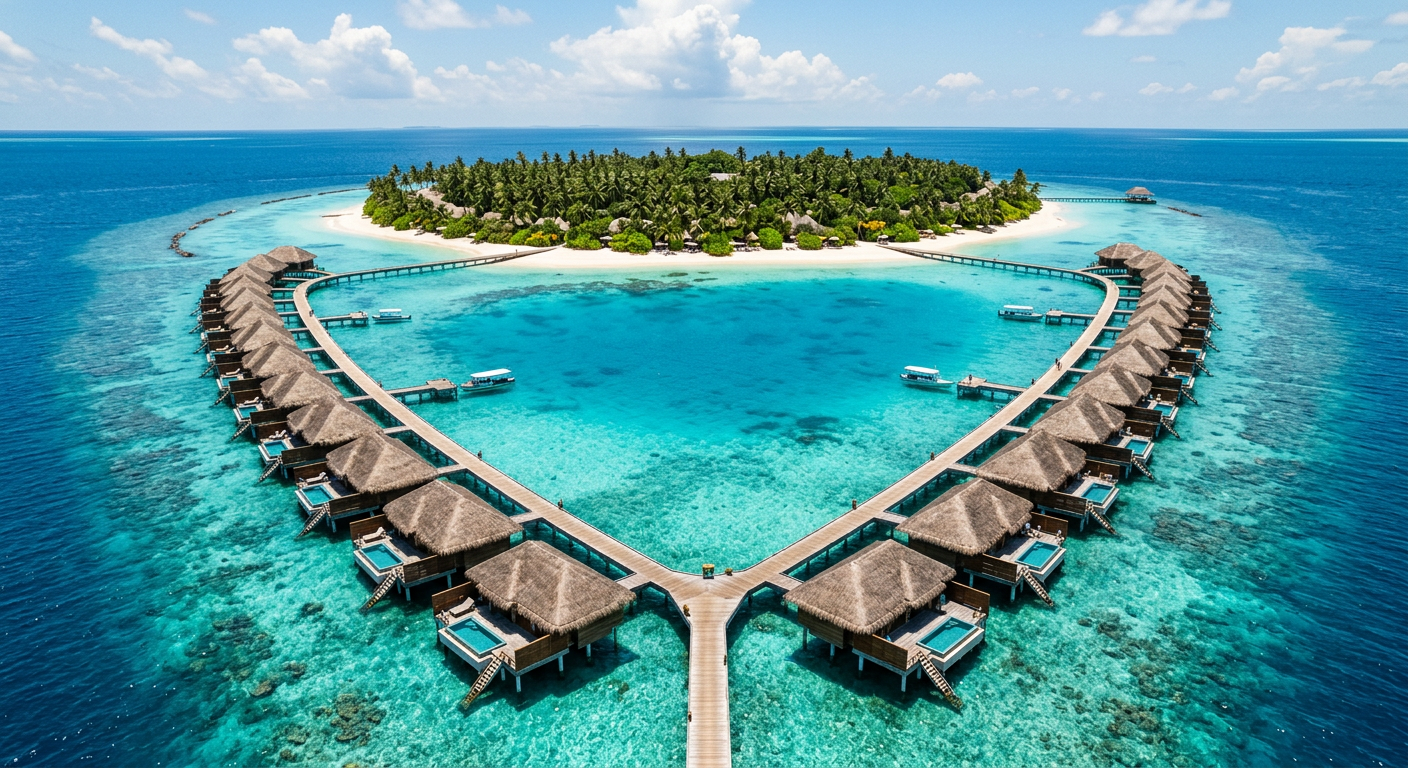
The allure of the overwater villa remains the pinnacle of luxury travel. It represents a seamless fusion of architectural ambition and natural splendour, offering a perspective on the ocean that a beachfront suite simply cannot match. While the Maldives has long been the primary association for this specific style of accommodation, the concept has evolved across the globe, adapting to the unique topographies of the South Pacific, the Caribbean, and the rugged coastlines of East Africa.
For the discerning traveller, the choice of an overwater residence is often dictated by more than just aesthetics. It is about the specific clarity of the water, the biodiversity beneath the glass floor panels, and the levels of privacy afforded by the resort’s layout. The Travel Co. specialises in navigating these nuances, ensuring that whether one seeks the volcanic majesty of Bora Bora or the eco-conscious sophistication of Panama, the experience is flawlessly executed from the first Business Class flight to the final speedboat transfer.
Choosing the right destination requires an understanding of regional distinctions. While the Indian Ocean offers vast, shallow lagoons perfect for expansive wooden jetties, the South Pacific provides a backdrop of dramatic mountain peaks. In the Caribbean, overwater stays are a more recent phenomenon, bringing a new level of contemporary luxury to the Americas. This definitive guide explores the finest iterations of the overwater bungalow, providing the technical and experiential detail required to plan a truly exceptional escape.
The Architectural Legacy of French Polynesia
The concept of the overwater bungalow was actually birthed in French Polynesia in the 1960s, specifically on the island of Raiatea. Known as the 'Bali Hai Boys', three American hotel owners sought a way to provide beach access on an island with no sandy shores. They built structures on stilts over the coral reef, inadvertantly creating a global icon of luxury. Today, the epicentre of this design is Bora Bora.
In Bora Bora, the villas are designed to withstand the Pacific’s elements while providing a sense of total immersion. The Four Seasons Resort Bora Bora represents the gold standard here. Their Otemanu Overwater Bungalow Suites feature high ceilings of pandanus leaves and timber walls that open entirely to the lagoon. These villas are often positioned to frame Mount Otemanu, the island's extinct volcano, providing a visual anchor that the flat horizons of the Maldives lack.
The construction in this region typically uses local materials—mahogany, bamboo, and thatched roofs—ensuring the structures remain cool without constant reliance on air conditioning. For those seeking British-standard service in the heart of the Pacific, the St. Regis Bora Bora Resort offers the largest overwater villas in the region, starting at 1,442 square feet. Most include private plunge pools and 'glass floors' that act as natural aquariums.
Bora Bora vs Maldives: A Comparative Analysis
One of the most frequent queries handled by The Travel Co. is the debate between the South Pacific and the Indian Ocean. While both offer superlative overwater living, the atmosphere and logistics differ significantly.
| Feature | Bora Bora (French Polynesia) | The Maldives (Indian Ocean) | | :--- | :--- | :--- | | Topography | High volcanic islands with lush greenery | Low-lying coral atolls and sandbanks | | Water Colour | Electric blue and deep turquoise | Pale cyan and translucent white | | Marine Life | Manta rays, sharks, and vibrant coral | Whale sharks, turtles, and diverse reef fish | | Transfer Type | Short domestic flights and boat transfers | Seaplanes or luxury speedboats | | Best Time to Visit | May to October (Dry Season) | November to April (Dry Season) | | Villa Style | Polynesian traditionalism and timber | Modernist, minimalist, and experimental |
The Maldives is often considered more 'private' as many resorts occupy their own entire island. In contrast, Bora Bora permits views of the main island and other resorts, creating a sense of being part of a larger, dramatic landscape. The Maldives also leads in terms of sheer variety, with over 100 resorts offering overwater options, whereas Bora Bora remains a more exclusive, limited-inventory destination.
The Rise of Caribbean Overwater Stays
Traditionally, the Caribbean was the land of the beachfront estate. However, in recent years, the region has embraced the overwater trend with spectacular results. This is particularly beneficial for UK travellers who may find the 24-hour journey to the South Pacific daunting.
Jamaica and Saint Lucia have led this charge. Sandals Royal Caribbean in Montego Bay was a pioneer, introducing villas with see-through glass floors and private infinity pools. However, for a more boutique and sophisticated experience, the Viceroy Riviera Maya in Mexico and various properties in Belize offer a more secluded take on the concept.
In Belize, Cayo Espanto provides an ultra-private experience. Casa Ventanas is a one-bedroom overwater villa situated at the end of a long wooden dock, surrounded by the clear Caribbean Sea. The level of service here is commensurate with the price point, often exceeding £2,000 per night during peak season, including a full staff and personalised menus.
Southeast Asian Sanctuaries: Floating Luxury

Beyond the traditional hubs, Southeast Asia offers overwater villas that focus heavily on wellness and cultural integration. In Cambodia, Song Saa Private Island spans two islands—Koh Ouen and Koh Bong—connected by a footbridge. Their overwater villas are built using reclaimed timber from old fishing boats, reflecting a commitment to sustainable luxury travel.
The aesthetic here differs from the polished finish of the Caribbean. It is 'barefoot luxury' at its finest. Expect outdoor showers, linen-draped canopy beds, and direct access to a protected marine reserve. The Travel Co. frequently recommends Song Saa for couples seeking a spiritual or restorative element to their holiday, away from the more commercialised hubs of Thailand or Indonesia.
Further south, in the Anambas archipelago of Indonesia, Bawah Reserve offers overwater bungalows that feel entirely disconnected from the modern world. Accessible only by seaplane from Batam, the resort is situated within a marine conservation area. The villas are designed to have a minimal footprint, with hand-crafted bamboo structures that blend into the turquoise horizon.
Zanzibar and the African Coast
The Indian Ocean’s western reaches offer a different flavour of overwater living. Zanzibar, with its fusion of Omani architecture and Swahili culture, provides a unique backdrop. While most accommodation here is land-based, certain properties have embraced the offshore model.
The Manta Resort on Pemba Island features an 'Underwater Room', which, while not strictly an overwater villa in the traditional sense, represents the logical extreme of the trend. It is a floating structure with a lounge at sea level and a bedroom submerged four metres below the surface.
For a more conventional luxury overwater experience in Africa, Constance Aina on the island of Mahé in the Seychelles or certain boutique properties in Mauritius offer stilted suites. These are often integrated into mangrove forests or rocky coves, providing a more rugged and adventurous environment than the manicured lagoons of the Maldives.
Sustainable Design and Engineering

The construction of an overwater villa is an engineering feat that requires careful consideration of the marine ecosystem. Leading architects now use 'diamond-tipped' drilling to secure pylons without shattering the coral bed. At Soneva Jani in the Maldives, the overwater structures are designed to be entirely removable, ensuring that if the resort were ever decommissioned, the environment would return to its natural state within years.
Sustainability also extends to the guest experience. Many of the best overwater villas now feature:
- Solar power integration for water heating and lighting.
- Advanced desalination plants to provide fresh water without plastic waste.
- Heat-reflective roofing materials to reduce the need for high-voltage cooling.
- Locally sourced, sustainable timbers such as teak and cedar.
When booking through The Travel Co., we prioritise properties that hold EarthCheck or Green Globe certifications, ensuring that your stay contributes to the preservation of these fragile maritime environments.
The Practicalities of Overwater Living
While the aesthetic appeal is undeniable, there are practical considerations that travellers should be aware of. Overwater villas can be subject to the sounds of the ocean; while many find the lapping of waves therapeutic, during storms, the noise can be significant.
Privacy and Positioning
Not all overwater bungalows are created equal. 'Sunset' or 'Ocean' villas typically command a premium because they face away from the resort, offering an unobstructed view of the horizon. Conversely, 'Lagoon' villas may face back toward the beach or other villas, which can compromise privacy. We recommend requesting villas at the end of the pontoon for maximum seclusion, though this may result in a 10-minute walk or buggy ride to the main resort facilities.
Marine Access
For many, the primary reason to choose an overwater stay is the ability to snorkel directly from the deck. However, some lagoons are too shallow at low tide for swimming, or the current may be too strong. Resorts like Gili Lankanfushi in the Maldives or the InterContinental Bora Bora Resort & Thalasso Spa are positioned over deep, calm lagoons that allow for 24-hour water access.
Middle Eastern Innovation: The Red Sea Project

As a Dubai-based agency, The Travel Co. is closely monitoring the development of the Red Sea Project in Saudi Arabia. This ambitious development is set to redefine overwater luxury in the Middle East. The St. Regis Red Sea Resort and the upcoming Ritz-Carlton Reserve, Nujuma, are introducing 'hyper-luxury' overwater villas that resemble futuristic shells or polished pebbles.
These villas are designed to withstand the unique salinity and temperature profile of the Red Sea. They offer a new alternative for UK and European travellers seeking a shorter flight time (approximately 6-7 hours from London) compared to the 10-13 hours required for the Indian Ocean or the 24 hours for the Pacific. Prices for these new developments are expected to start at £1,500 per night, reflecting their ultra-premium positioning.
Seasonal Considerations and Pricing

The cost of an overwater villa varies dramatically based on the season. In the Maldives and the Caribbean, 'High Season' runs from December to April. During this time, a villa at a top-tier resort like Cheval Blanc Randheli or Rosewood Little Dix Bay can exceed £3,500 per night.
In contrast, 'Shoulder Season' (May and November) often provides the best value. While there is a higher chance of rain, it is rarely persistent, and prices can drop by 30-40%. For those looking for the best overwater villas on a slightly more modest budget, the South Pacific’s 'Low Season' (the Austral summer from November to March) offers significant savings, though this coincides with the cyclone season.
Fine Dining and In-Villa Service
The pinnacle of the overwater experience is the 'floating breakfast' or the private deck dinner. In Bora Bora, it is a tradition at many resorts for breakfast to be delivered to your villa via a decorated outrigger canoe.
At the higher end of the spectrum, resorts provide 24-hour butler service. At The Travel Co., we ensure that our clients' preferences—from the specific vintage of Champagne in the wine fridge to the firmness of the pillows—are communicated to the resort’s management long before arrival. This level of personalisation is what transforms a luxury stay into a bespoke journey.
Frequently Asked Questions

Q: Are overwater villas safe for families with young children? A: Most resorts have a minimum age requirement (often 12 years old) for overwater villas due to safety concerns regarding the open decks and deep water. However, some resorts, such as the Four Seasons Bora Bora, allow younger children if a waiver is signed and can provide temporary netting for the decks.
Q: Is there a significant difference between a 'bungalow' and a 'villa'? A: In the luxury sector, these terms are often used interchangeably. However, 'villa' typically implies a larger footprint, often with separate living and sleeping areas and a private pool, whereas a 'bungalow' may be a single-room studio layout.
Q: How do I manage the walk from a villa at the end of a long jetty? A: Most high-end resorts provide bicycles for each guest or a 24-hour 'buggy' or golf cart service. If mobility is a concern, The Travel Co. can request a villa located closer to the main island or hub.
Q: Can you hear the neighbours in an overwater villa? A: In premium resorts, villas are spaced significantly apart to ensure acoustic privacy. However, sound travels easily over water. Modern luxury builds use thick tropical hardwoods and double-glazing to ensure total silence inside the suite.
Member Hotels

- Four Seasons Resort Bora Bora, French Polynesia
- The St. Regis Bora Bora Resort, French Polynesia
- Soneva Jani, Maldives
- Gili Lankanfushi, Maldives
- Song Saa Private Island, Cambodia
- Bawah Reserve, Indonesia
- Sandals Royal Caribbean, Jamaica
- Cayo Espanto, Belize
- Rosewood Mayakoba, Mexico (Overwater Lagoon Suites)
- Constance Prince Maurice, Mauritius
- Pangkor Laut Resort, Malaysia
- Six Senses Laamu, Maldives
- Joali Maldives, Maldives
- InterContinental Bora Bora Resort & Thalasso Spa, French Polynesia
- The Manta Resort, Zanzibar
- Conrad Maldives Rangali Island, Maldives
- Waldorf Astoria Maldives Ithaafushi, Maldives
- Kudadoo Maldives Private Island, Maldives
- Nayara Bocas del Toro, Panama
- St. Regis Red Sea Resort, Saudi Arabia
Plan your trip with The Travel Co.
Navigating the world’s most exclusive overwater retreats requires an editor’s eye and a connoisseur’s experience. At The Travel Co., we go beyond the brochure to provide first-hand insights into the specific villa numbers that offer the best views, the most private decks, and the easiest reef access. As an ABTA and ATOL-protected agency with offices in London and Dubai, we provide the security and local knowledge necessary for a seamless international itinerary. Whether you are choosing between the volcanic peaks of Bora Bora or the pristine atolls of the Maldives, our specialists are here to curate your perfect overwater escape. Contact us today to begin designing your bespoke journey.
Inspired?
Plan a trip like this
Our specialists craft every itinerary from scratch — ATOL & ABTA protected, with 24/7 in-trip support.
Enquire Now